

China
China’s Missile Test in the Pacific Targets U.S. Allies, Analysts Warn
China’s recent submarine-launched ballistic missile test aimed to showcase its military capabilities and influence in the Pacific, analysts say. Framed as routine, the launch coincided with a new Australia-Fiji defense treaty, signaling China’s intent to assert its regional presence amidst U.S. efforts.
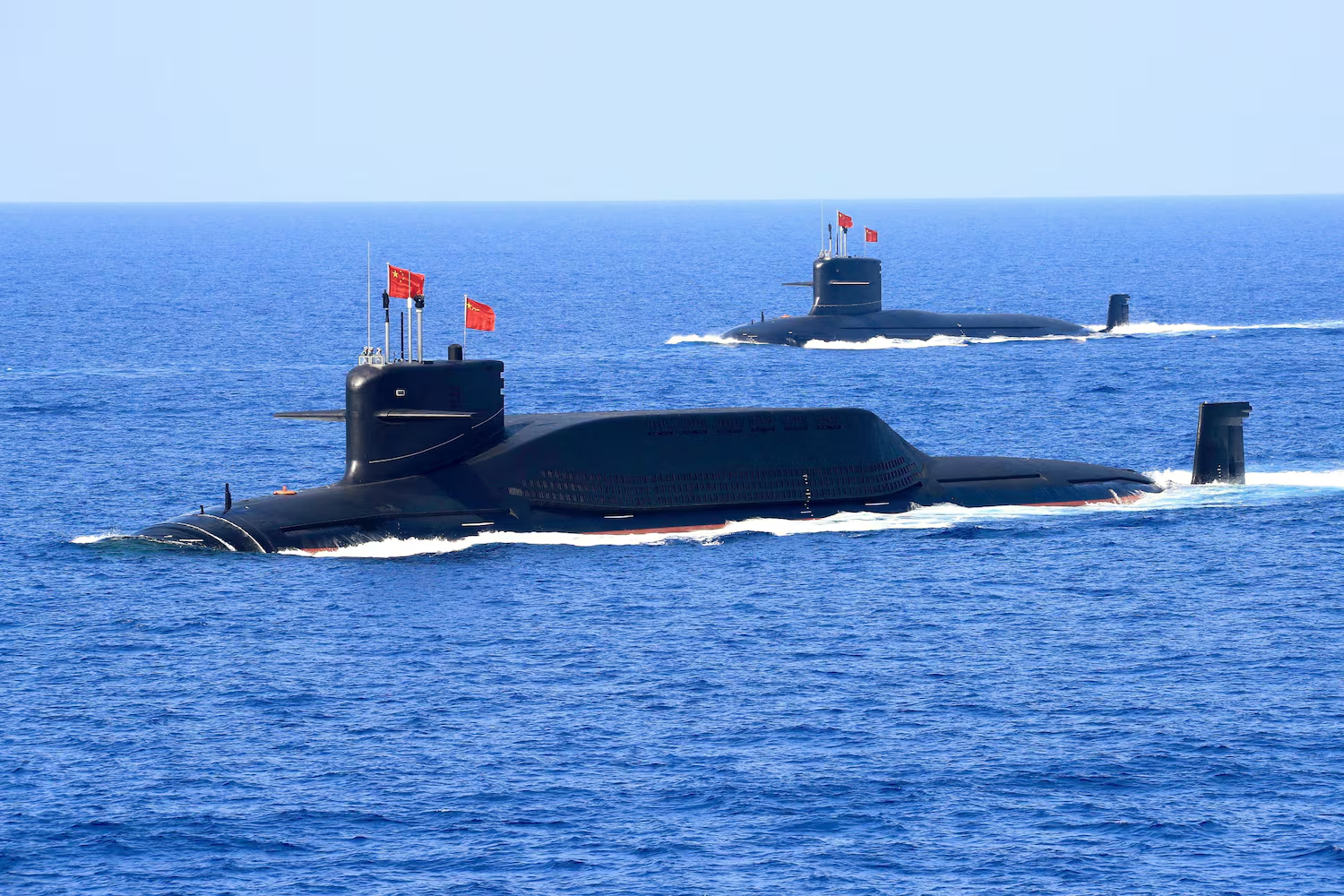
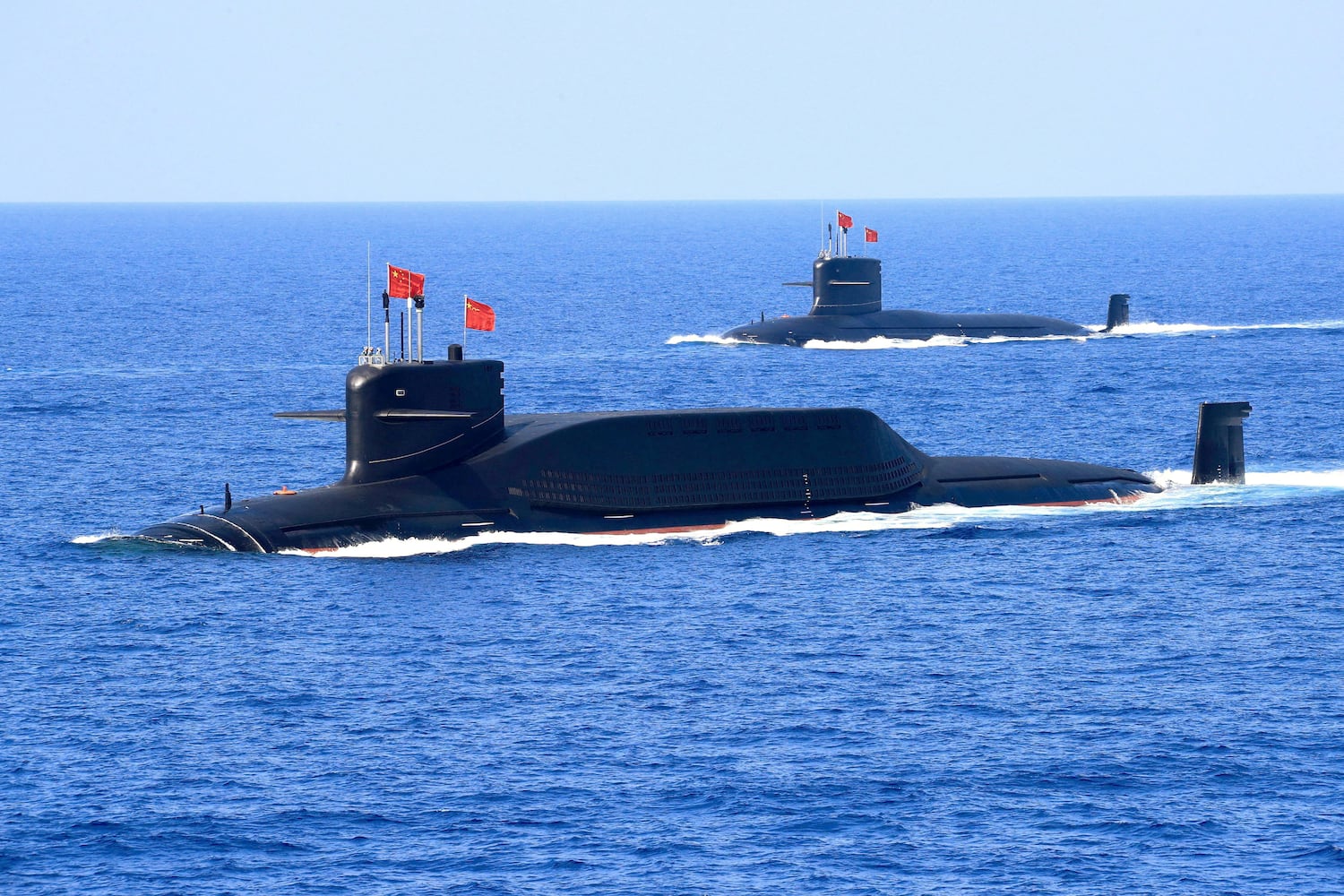
China’s test of a submarine-launched ballistic missile into the Pacific this week was aimed at signaling its growing military reach to U.S. allies across the region, analysts told Radio Free Asia, as Beijing sought to frame the launch as a routine exercise.
China’s state-run Xinhua news agency reported Monday that a Chinese navy submarine launched a missile carrying a dummy warhead toward international waters in the Pacific at 12:01 p.m. local time, describing it as a “routine arrangement” in annual military training and not directed at any specific country or target.
Analysts said the timing and trajectory suggested Beijing was using the test to send a broad political and military message across the Asia-Pacific.
“China’s latest ICBM test serves several purposes,” William Yang, a Northeast Asia analyst at the Belgium-based International Crisis Group, told RFA. “It demonstrates the progress in China’s advanced missile capabilities, sends a signal to regional countries, including Australia and other Pacific states, about Beijing’s ability to respond resolutely to what it views as a challenge to its interests, and allows the People’s Liberation Army to maintain regular military drills across the Asia Pacific region.”
Though Yang referred to it as an ICBM, or intercontinental ballistic missile, Xinhua did not specifically use those words. The U.S. State Department called it an “intercontinental-range ballistic missile,” in a statement where it criticized the launch at a time when “the United States is working harder than ever to prevent nuclear proliferation,” and “China is doing the opposite.”
The launch also drew criticism from Japan, Australia, New Zealand and Taiwan, with several governments saying they had received only short notice.
The test touched a nerve across the region because it came against the backdrop of intensifying strategic competition in the Pacific, where China, the United States and its allies have been vying for influence over sea lanes, security ties with Pacific Island countries, and military access to the region.
For China, the Pacific islands have become an increasingly important diplomatic and strategic arena as Beijing seeks to expand its presence beyond East Asia. For Australia, New Zealand and the United States, the region has become a frontline in efforts to prevent China from translating economic influence into a deeper security foothold.
Australia-Fiji treaty
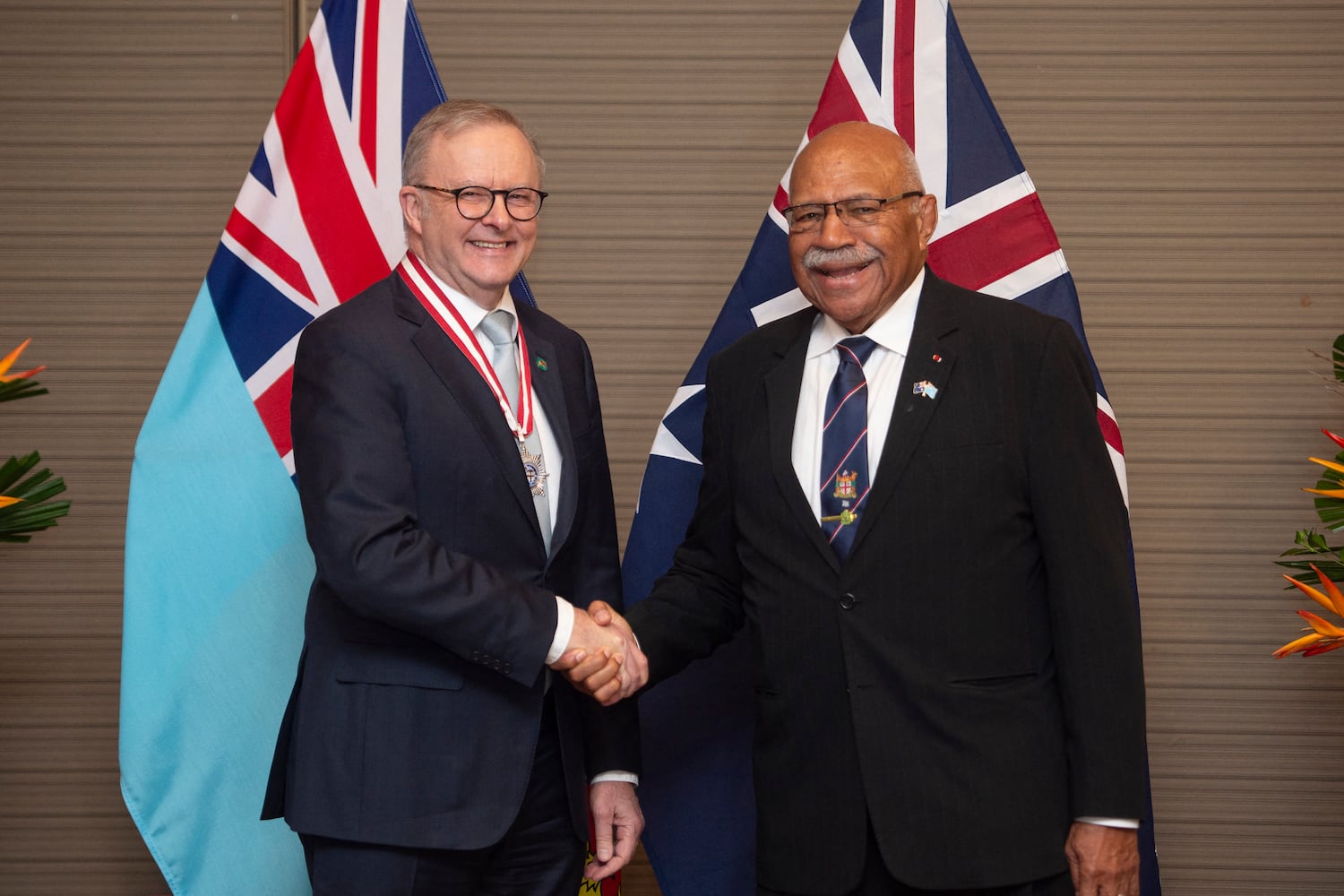
The missile landed in the South Pacific Nuclear Free Zone only hours after Australia and Fiji signed a mutual defense treaty.
Yang said the timing was “also a political signal to Canberra and other U.S. allies that China will not be deterred by their efforts to undercut China’s interests in deepening its influence in the Pacific region.”
The defense pact, known as the Ocean of Peace, commits Australia and Fiji to assist each other if attacked. It was signed as Canberra has sought to rebuild security ties and trust in the Pacific after years of concern among island governments over climate change, development needs and outside interference.
China has meanwhile deepened engagement with several Pacific island states through policing, aid and infrastructure agreements, raising alarm in Washington and allied capitals over the possibility of a more permanent Chinese security role in the region.
The launch occurred during “a crowded window of allied activity” that included not only the treaty signing – but also on the heels of RIMPAC, Valiant Shield, and Resolute Dragon – U.S.-led bilateral or multilateral military exercises focusing on the broader Pacific region, Aadil Brar, a Taipei-based independent analyst and former visiting scholar at National Chengchi University, told RFA.
Message sent
Though the Chinese navy said that the launch was directed at no particular country or target, Brar said the distance and direction was deliberate.
“That trajectory alone shows the real aim was less about any single target and more about proving China…
Read the rest of this article here >>> China’s Pacific missile test sends message to U.S. allies, analysts say


