

China
PNG’s Legal Right to Close Taiwan Office: What’s the Cost?
Papua New Guinea’s closure of Taiwan’s representative office aligns with its legal rights and One-China Policy. While this decision may enhance ties with China, it risks significant economic losses, particularly in liquefied natural gas exports, prompting mixed reactions from local observers.
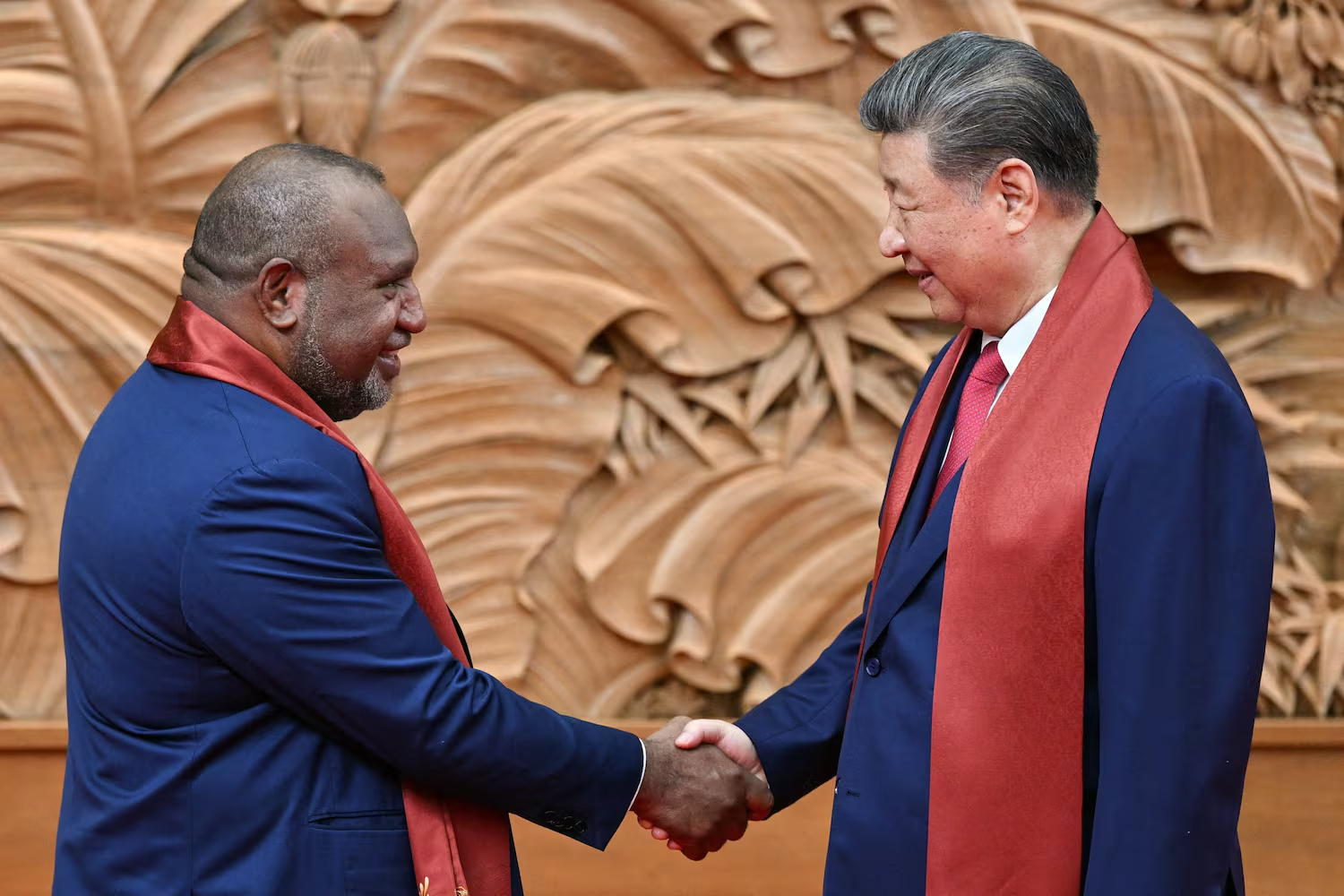
PORT MORESBY, Papua New Guinea – The decision by Papua New Guinea to order Taiwan’s representative office in Port Moresby to close is well within the country’s legal rights, but the legal and geopolitical considerations for such a decision are distinct, a commercial lawyer based in the South Pacific country told Radio Free Asia.
In July, PNG’s Foreign Affairs Minister Justin Tkatchenko announced in an official statement the immediate cessation of operations and the formal closure of the physical presence of the Chinese Taipei Economic Office, citing Port Moresby’s recognition of Beijing.
The office served as Taiwan’s de facto diplomatic mission in PNG, facilitating trade and other exchanges despite the absence of formal diplomatic relations between the two sides.
Taiwan on Nov. 6 confirmed the office would shut down, its personnel would withdraw, and all technical missions, scholarship and training programs would cease. Taipei also announced that it would stop spot purchases of PNG’s liquefied natural gas, or LNG, Port Moresby’s largest export commodity. Prior to the closure, Taiwan had purchased about a third of PNG’s LNG exports.
The decision to force Taiwan to close its representative office is less a legal matter than a policy decision, Margareth Parua, a Port Moresby-based commercial lawyer, told RFA.
“On the information presently available, there is no clearly identified international legal obligation requiring PNG to close an unofficial Taiwanese trade office merely because it recognises the People’s Republic of China,” she said. “Given the longstanding economic and commercial relationship between PNG and Taiwan, it would be regrettable if the decision resulted in the unnecessary loss of trade, investment and other opportunities for our people.”
Weighing options
One year after PNG gained its independence from Australia in 1975, it recognized Beijing diplomatically, adopting its own version of a “One-China Policy” which closely aligns with Beijing’s “One-China Principle” that there is only one China, Taiwan is a part of China, and that the government in Beijing is the sole legal government of China. This differs from the One China Policy of the United States in that Washington’s policy merely acknowledges Beijing’s stance on Taiwan without agreeing or disagreeing with it.
Neither Port Moresby’s One-China Policy precluded unofficial relations with Taiwan, but Beijing has recently leveraged its economic might to pressure Pacific island countries in an effort to further isolate Taiwan, Jonah Bock, assistant director for research at the Alliance Futures Initiative, a Washington-based think tank, told RFA shortly after Tkatchenko’s announcement in July.
“China will continue to aggressively pursue any action that reduces Taiwan’s international space – its ethos of national rejuvenation relies on unification. It is not an option for China to stop the contest,” said Bock in July. “The move is to curry favor with the PRC and the goal is vast sums of Chinese money.”
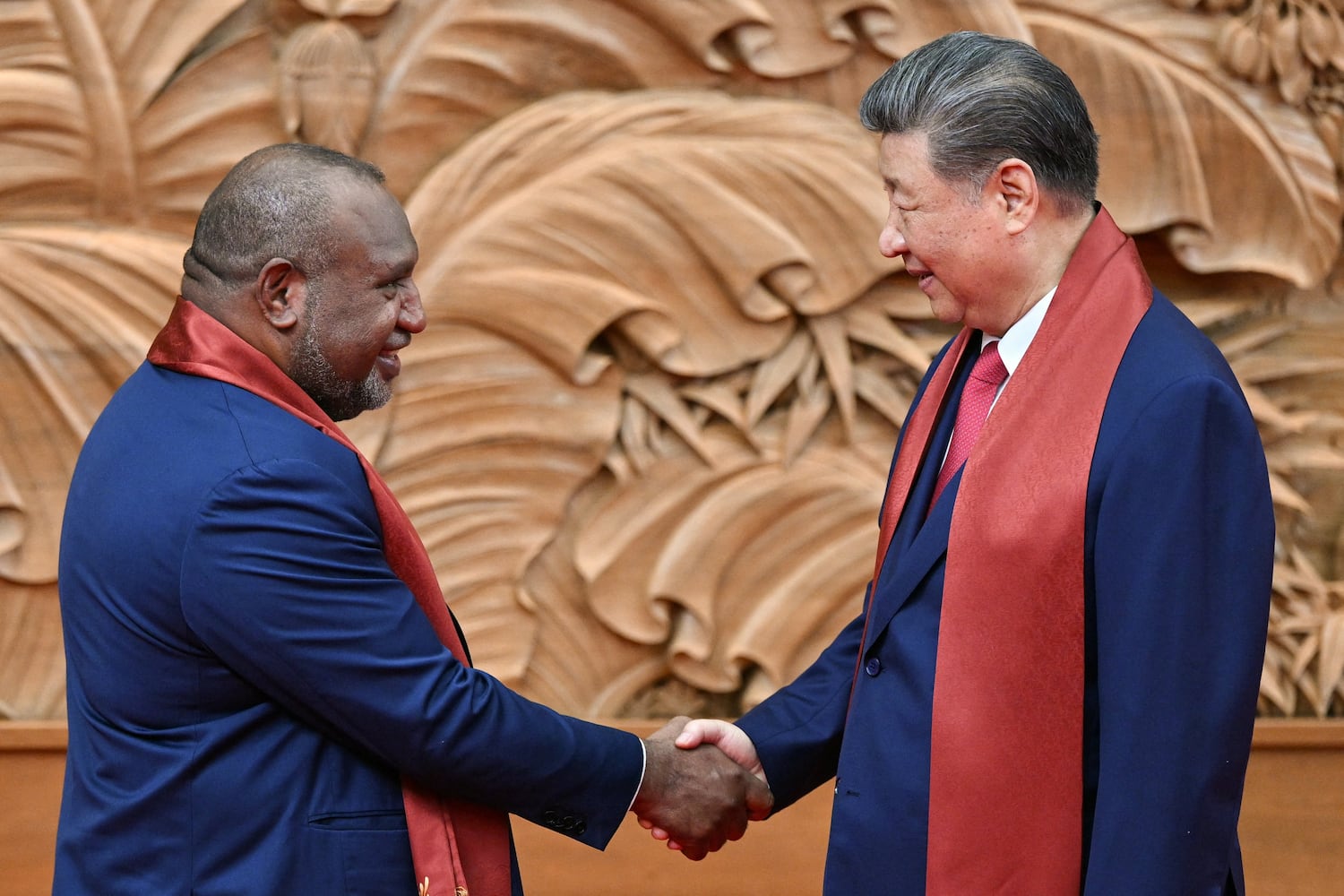
Parua said that PNG should carefully consider whether forcing Taipei to close its representative office was necessary to maintain its One-China Policy, and whether the benefits of doing so outweigh the costs to national interest.
The biggest risk might have been the loss of LNG sales to Taiwan, but closer ties with China can make up for that, Joseph Ealedona, a Papua New Guinean senior journalist and former media executive, told RFA.
“While we lost the gas sales, discussions are taking place for China to purchase more gas to cover for this,” he said. “It’s a positive decision given our deep relations with China and the many benefits we can take from China. China is a massive economy and we must maintain our relations with them.”
Meanwhile, PNG’s former Prime Minister Peter O’Neill commented in Port Moresby-based weekly English daily The National that the country had lost a major buyer in Taiwan, and criticized current Prime Minister James Marape saying he traded Taiwan for China and 191 million kina (US$42.2 million).
Taipei…
Read the rest of this article here >>> PNG has the legal right to close down Taiwan’s office, but at what cost?


