

China
Landlocked Laos May Influence South China Sea Code of Conduct: Analysts
Laos, though landlocked and lacking South China Sea claims, may influence ASEAN-China negotiations on a code of conduct. While its ties with China are strong, analysts argue Laos is not merely a proxy for Beijing, possessing its own interests within ASEAN.
Landlocked Laos could play a huge role in future negotiations between ASEAN and China on a South China Sea code of conduct, potentially tipping the scales for Beijing, but close ties with its northern neighbor do not mean that Vientiane is acting as a proxy to block negotiations, analysts told Radio Free Asia.
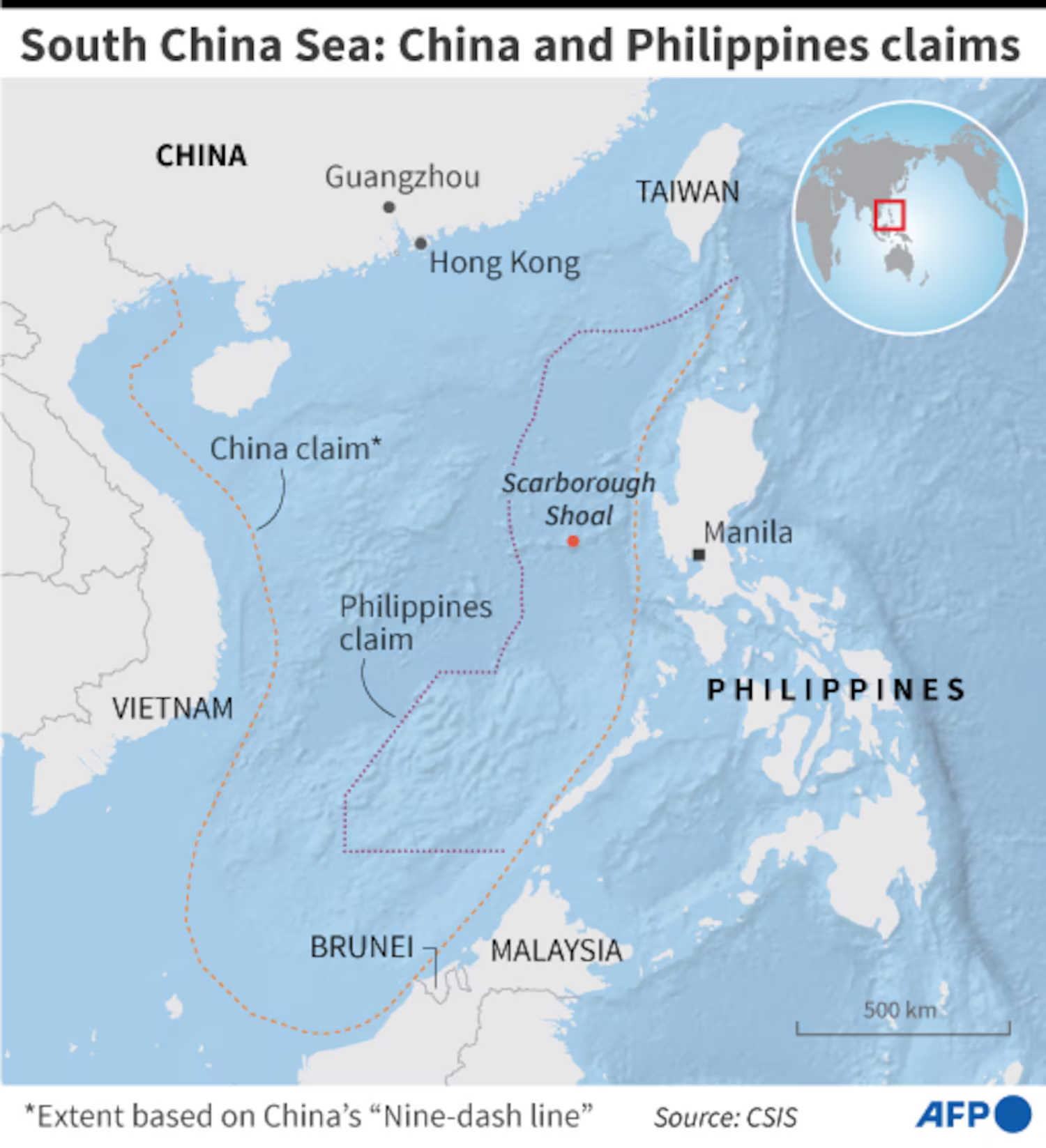
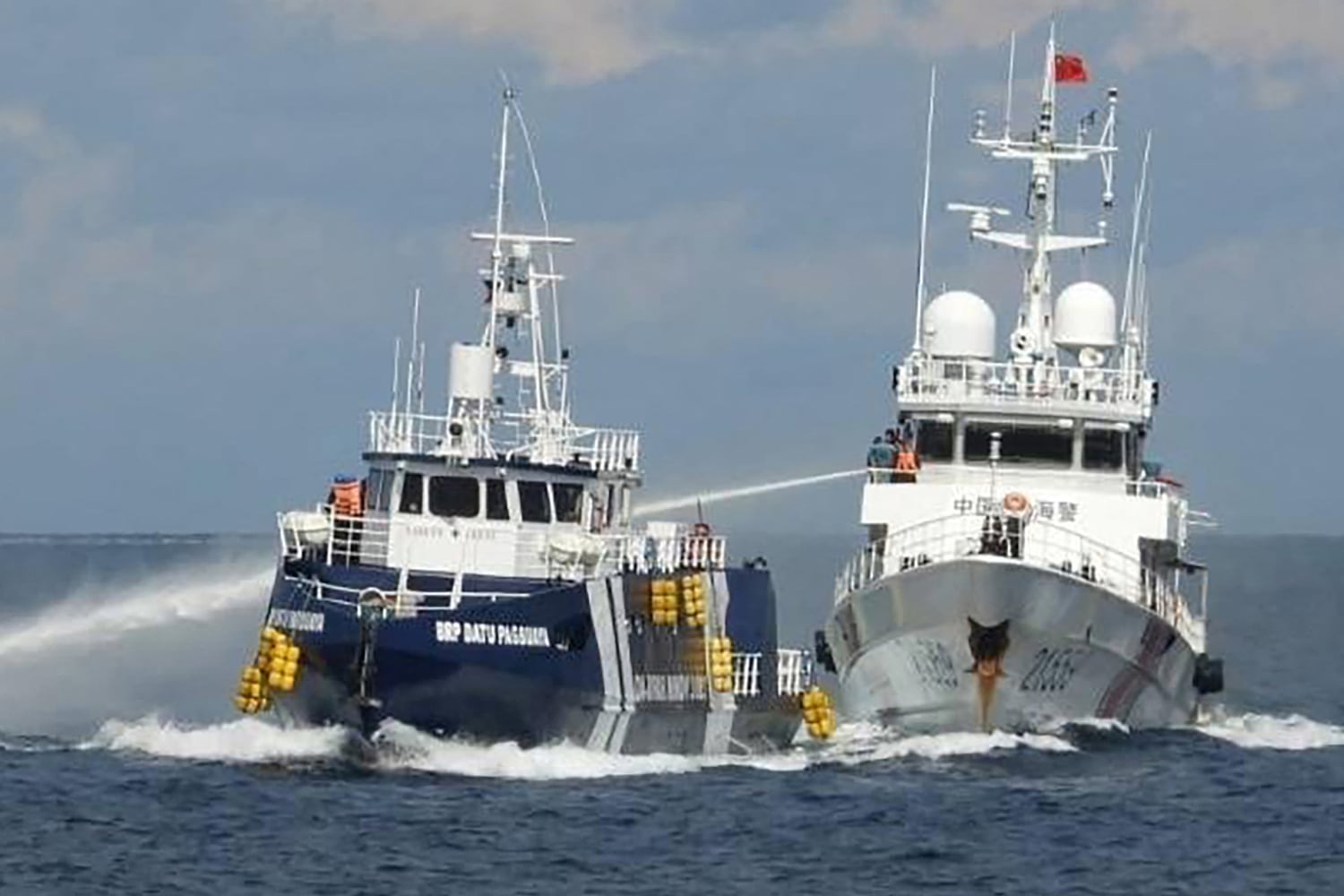
As the leaders of the Association of Southeast Asian Nations, or ASEAN, concluded their summit in Manila this week, the bloc again failed to finalize the code of conduct, or COC – an agreement that would seek to prevent confrontations in the sea which is claimed in its entirety by China and in part by Vietnam, the Philippines, Brunei and Malaysia.
The COC has been in negotiations for decades, and hammering out the agreement during this week’s meeting was a priority for the bloc’s current chair, the Philippines, a country with an exclusive economic zone, or EEZ, that significantly overlaps the territory claimed by China within its nine-dash line. Philippines foreign minister Ma. Theresa Lazaro on Nov. 15 told reporters that about 80% of a draft of the code had been completed.
But the agreement will have to wait until at least next year, when the next ASEAN meeting will be held in Singapore.
Laos as an ASEAN member state wields significant influence despite not having any claims in the South China Sea, as the bloc operates on a consensus system. Vientiane’s deepening economic and military ties with China could make it sympathetic to Beijing’s foreign policy goals, Joseph Kristanto, a research analyst at Singapore’s S. Rajaratnam School of International Studies, told RFA.
“For China, having a sympathetic voice within ASEAN could therefore be useful, particularly in shaping the language and provisions of the eventual agreement, rather than necessarily obstructing the negotiations outright,” he said.
Influence does not mean control
Kristanto said Laos could influence ASEAN’s collective position by objecting to clauses supported by claimant countries, but he cautioned against treating that capacity, or its growing relationship with China, as proof that it was exercising influence at Beijing’s direction.
“While its growing economic and military ties with China could give Beijing considerable influence, I’d say that currently there is insufficient evidence to conclude that Vientiane is deliberately obstructing the COC negotiations on Beijing’s behalf,” he said.
Laos also has interests that could limit its alignment with China, particularly its longstanding political and security relationship with Vietnam and its standing within ASEAN, Kristanto added.
Although the bloc’s charter establishes consultation and consensus as its basic decision-making principle, it also allows the ASEAN summit to decide how a specific decision can be made when consensus fails. Additionally, disagreements over sensitive issues can complicate a common position.
Still, if in future negotiations China were to push for a less binding code and faced resistance, Laos could oppose ASEAN decisions or joint statements to help reshape the agreement, Enrico Cau, a Taipei-based independent security researcher, told RFA.
“Much like Cambodia, Laos seems to be closely aligned to China,” said Cau.
He explained that Chinese investment and expanding security ties support a relationship that also serves the interests of Lao and Cambodian leaders: alignment with Beijing could help sustain their governments and support development without requiring democratic reforms.
Cau therefore saw little reason to expect either country to make a fundamental shift away from supporting China within ASEAN. His assessment pointed to potential influence over future decisions, rather than identifying a specific Lao intervention in the current negotiations.
A different regional climate
Comparisons with Cambodia draw on the breakdown of an ASEAN foreign ministers’ meeting in Phnom Penh in 2012. The meeting ended without a joint communiqué for the first time in the bloc’s history after disagreements over South China Sea language. Manila…
Read the rest of this article here >>> South China Sea code of conduct could depend on landlocked Laos: analysts


