

China
Legitimacy: The Key Factor in the US–China Rivalry in the Indo-Pacific
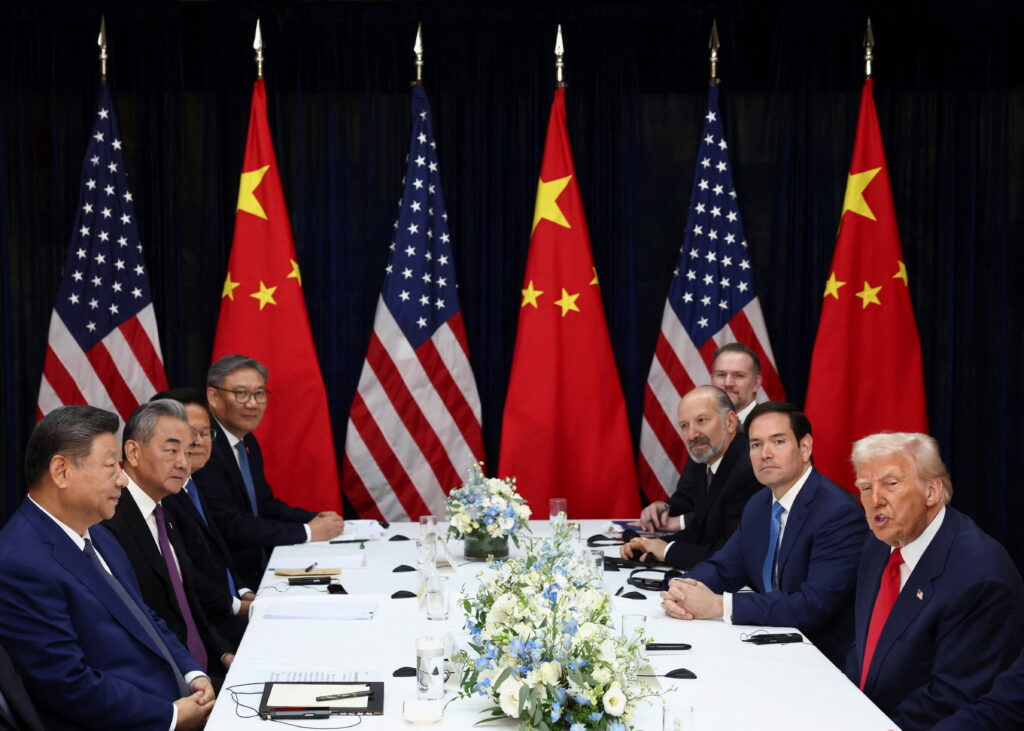
As US-China rivalry escalates, their legitimacy, not just power, will shape the Indo-Pacific’s future. Both powers struggle to gain trust, leading smaller states to seek alternatives like ASEAN.
Legitimacy Over Power
As the US-China rivalry intensifies in the Indo-Pacific, the legitimacy perceived by regional nations is more crucial than material power. Both the US and China struggle to establish their credibility among Indo-Pacific countries. The Trump administration’s aggressive tariffs and a transactional leadership style have led to skepticism about US commitments. Concurrently, China’s assertiveness has made countries apprehensive about its potential dominance. Consequently, smaller regional nations are looking to ASEAN for stability rather than backing either superpower.
The Role of Middle and Small Powers
In 2025, the competition for dominance reached critical levels as both countries clashed over trade tariffs, critical minerals, and the AI race. Scholars largely emphasize military power, but legitimacy is essential for regional order. The hesitance from Indo-Pacific nations to embrace either US or Chinese leadership reflects a broader desire for a more stable and equitable order free from coercion.
Types of Legitimacy and Impact
Legitimacy can be categorized into performance-based and procedural types. While the US historically provided regional stability and economic growth, its recent transactional approach has eroded trust among allies. In contrast, China has engaged through initiatives like the Belt and Road, reflecting its significance in the region’s economic landscape. Without genuine acceptance from smaller nations, both major powers risk greater resistance to their regional ambitions.
Source : Legitimacy is the missing piece in US–China rivalry for the Indo-Pacific


