

China
Viral Manila Moment Highlights South China Sea Dispute, Yet Status Quo Endures
Philippine Defense Secretary Gilberto Teodoro criticized China at the 2026 Seoul Defense Dialogue, highlighting Manila’s territorial disputes. While it generated attention, experts noted that increased visibility may not lead to significant diplomatic or security outcomes against Beijing’s longstanding positions.
When a Philippine official blasted China at a defense forum in Seoul this month, the moment went viral and increased awareness about Manila’s territorial disputes with Beijing, but experts told Radio Free Asia that more visibility on the issue may not necessarily result in concrete diplomatic or security gains.
Philippine Defense Secretary Gilberto Teodoro Jr. was addressing the Seoul Defense Dialogue on Sept. 8 when he was handed a note setting out Beijing’s rejection of a 2016 arbitration ruling on the disputed waters.
China claims an area within its “nine-dash line,” which essentially encircles the entirety of the South China Sea, including areas that fall within the Philippines’ exclusive economic zone.
Teodoro read the note aloud, challenged it line by line and accused China of “coercion, bullying and aggression,” drawing applause and widespread attention online.
Forum organizers said the note came from a military attaché at the Chinese Embassy in Seoul, according to South Korea’s Yonhap news agency. The attaché had asked a staff member to pass it to Teodoro, but the staff member mistook it for a message from the Philippine delegation and delivered it while he was speaking.
“The Seoul episode is therefore better seen as an extension of Manila’s existing approach than as evidence of a new phase in the transparency campaign,” Sylwia M. Gorska, a doctoral candidate in international relations at the University of Central Lancashire in the United Kingdom, told RFA.
Since 2023, Philippine President Ferdinand Marcos Jr.’s administration has pursued what officials and analysts call an “assertive transparency” strategy. Philippine agencies release photographs and video of encounters with Chinese vessels quickly and have given journalists greater access to maritime missions, seeking to establish a public record and rally support at home and abroad.
Gorska said the tactic worked differently in Seoul. At sea, evidence can reveal conduct that would otherwise be difficult for outsiders to observe. But China’s refusal to accept the arbitration award has long been public, meaning Teodoro exposed no previously hidden position.
“It carried over the emphasis on speed, publicity and direct rebuttal, but shifted from documenting Chinese actions to publicly contesting China’s legal position,” she said.
Preaching to the choir
The episode highlights the contrast between Manila’s success in attracting international and domestic attention to the issue and its more limited ability to change either Beijing’s conduct or the positions of governments that have avoided taking sides in the dispute.
“The immediate results on the press are very favorable,” Enrico Cau, a Taipei-based independent security researcher, told RFA.
But he said the positive response largely echoed the views of groups that already supported the Philippine administration’s approach and did not demonstrate broader international support.
Marcos’ transparency campaign has kept maritime confrontations in public view.
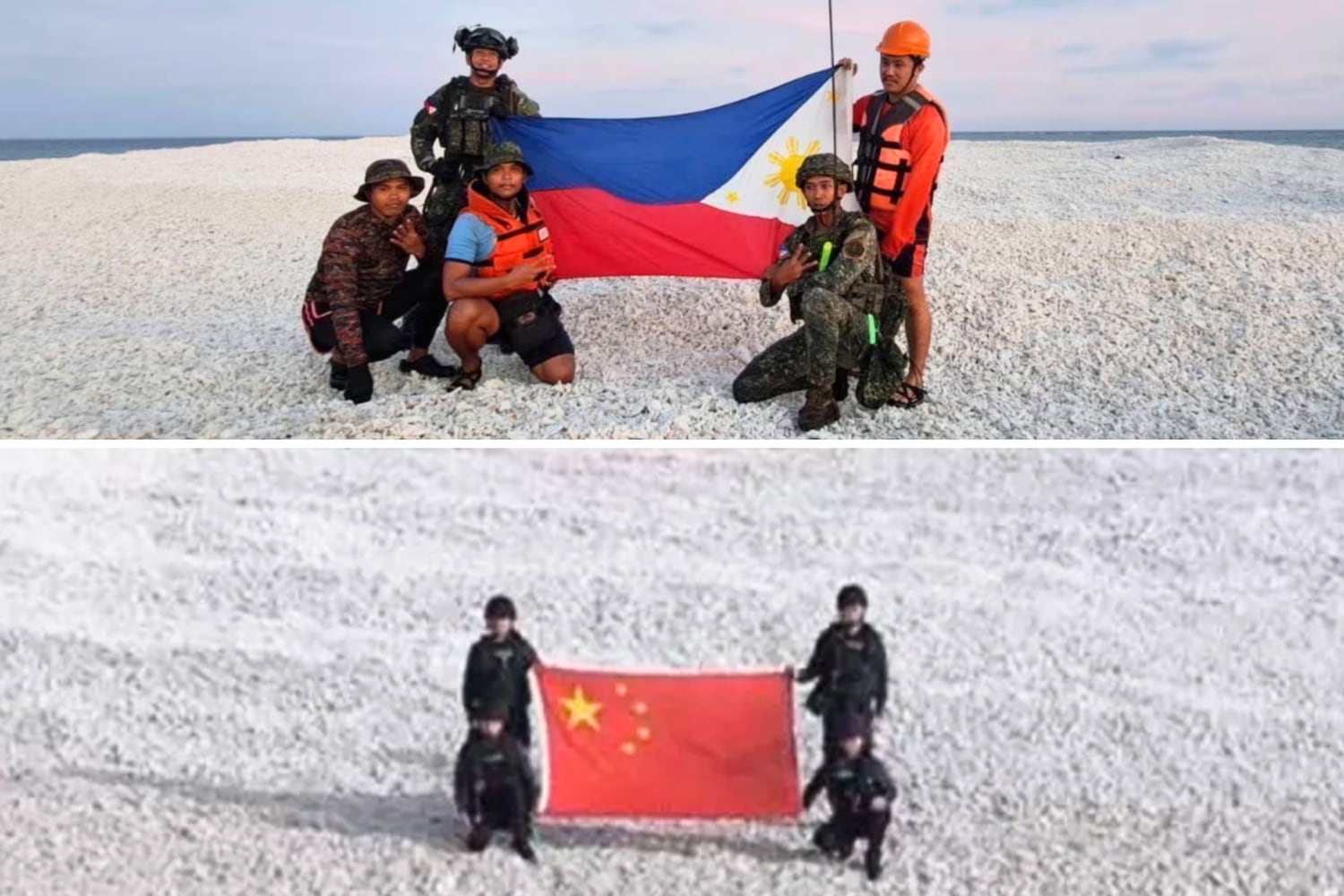
In July, the Philippine Coast Guard released its account of Chinese coast guard vessels using water cannons near Scarborough Shoal and said one Chinese ship came within 7 meters (23 feet) of a Philippine fisheries vessel.
Beijing issued a competing account, saying it had taken “control measures” against Philippine vessels operating illegally in the area.
Manila’s messaging also benefits from the 2016 ruling, which found there was no legal basis for China to claim historic rights to resources within sea areas falling inside its “nine-dash line.” China rejects the decision as illegal, null and void.
On the ruling’s 10th anniversary in July, the Philippines and 13 other countries, including the United States, Japan, Australia and Britain, issued a joint statement reaffirming that the award was final and legally binding. The European Union issued a similar statement.
Gorska said the Philippine campaign might have reinforced…
Read the rest of this article here >>> Viral moment for Manila showcases South China Sea dispute, but status quo remains


