

China
India and China at Odds Over Himalayan Hydropower Projects
India’s $77 billion Brahmaputra hydropower initiative and China’s Yarlung Tsangpo mega-dam intensify a geopolitical rivalry, risking ecological harm, regional instability, and conflict over water control and energy security.
A Hydropower Flashpoint
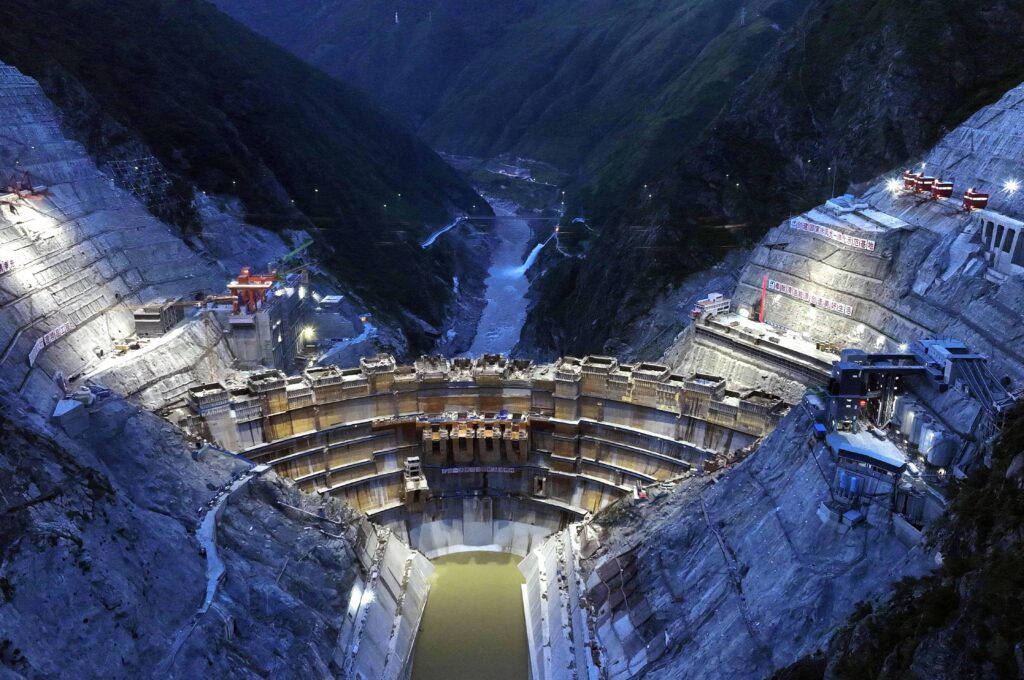
India’s US$77 billion Brahmaputra hydropower initiative and China’s Yarlung–Tsangpo Great Bend dam are creating a tense rivalry in the Himalayas. As both nations link hydropower projects to AI-driven grids and data centers, they lack a cooperative framework for managing the Brahmaputra River. This situation feeds ecological concerns, regional instability, and the potential for conflict, particularly as India seeks to counter China’s growing hydrological influence.
India’s Strategic Response
In mid-2025, India announced its ambitious plan to construct over 200 dams in the northeastern region, particularly in Arunachal Pradesh, an area claimed by China. With a capacity target of 75 gigawatts (GW), India’s initiative mirrors China’s mega-dam project in terms of scale and geopolitical significance. This rivalry intertwines energy production, territorial claims, and data sovereignty, elevating the stakes for both nations.
Concerns Over Water Control
China’s substantial dam at the Great Bend, projected to be the world’s largest, reinforces India’s fears of water weaponization. Historical grievances, such as the withholding of hydrological data prior to significant flooding events, intensify mistrust. Without a formal water-sharing treaty, India views its hydropower developments as essential for national security against potential threats from China’s upstream control. The battle for dominance over the Brahmaputra underscores a broader struggle for strategic autonomy and energy security in the region.
Source : India and China in deep water over Himalayan hydropower


