

China
China’s Sanctions on Philippine Defense Chief Spotlight Japan Ties
China’s sanctions on Philippine Defense Secretary Gilberto Teodoro aim to incite historical fears as Manila strengthens ties with Japan. Analysts suggest this strategy diverts attention from China’s claims in the South China Sea by reframing the dispute in a historical context.
China’s sanctions on a senior Philippine official – and statements that classify him as an apologist for Japan’s wartime aggression – are attempts to drum up historical fears as Manila and Tokyo deepen security ties, analysts told Radio Free Asia.
The sanctions on the Philippines’ Defense Secretary Gilberto Teodoro Jr. came last month, when China’s Foreign Ministry accused him of repeatedly making “irresponsible remarks” about China, damaging Chinese interests and undermining bilateral relations, all for comments critical of China’s claims in the sea and aggressive activity there.
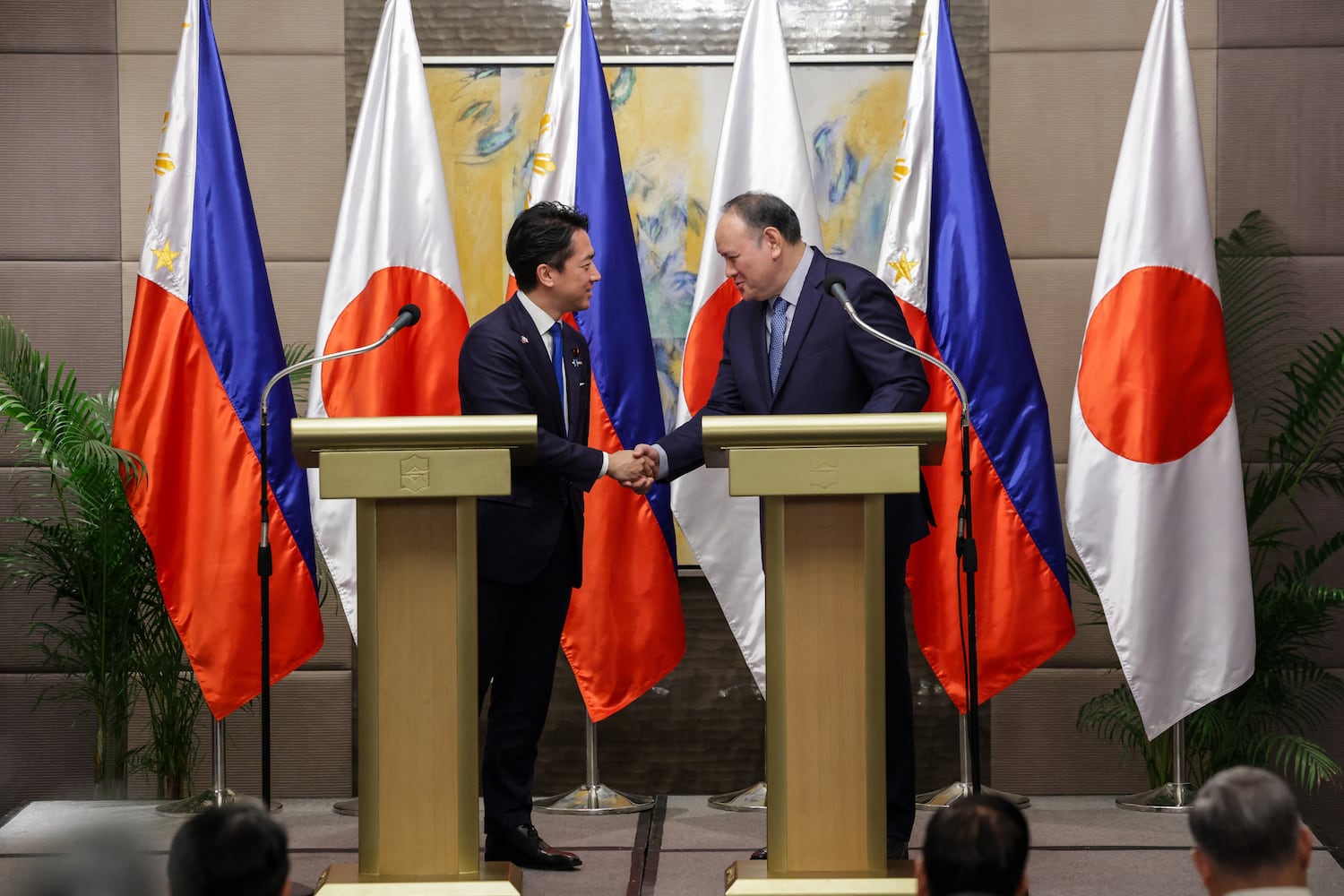
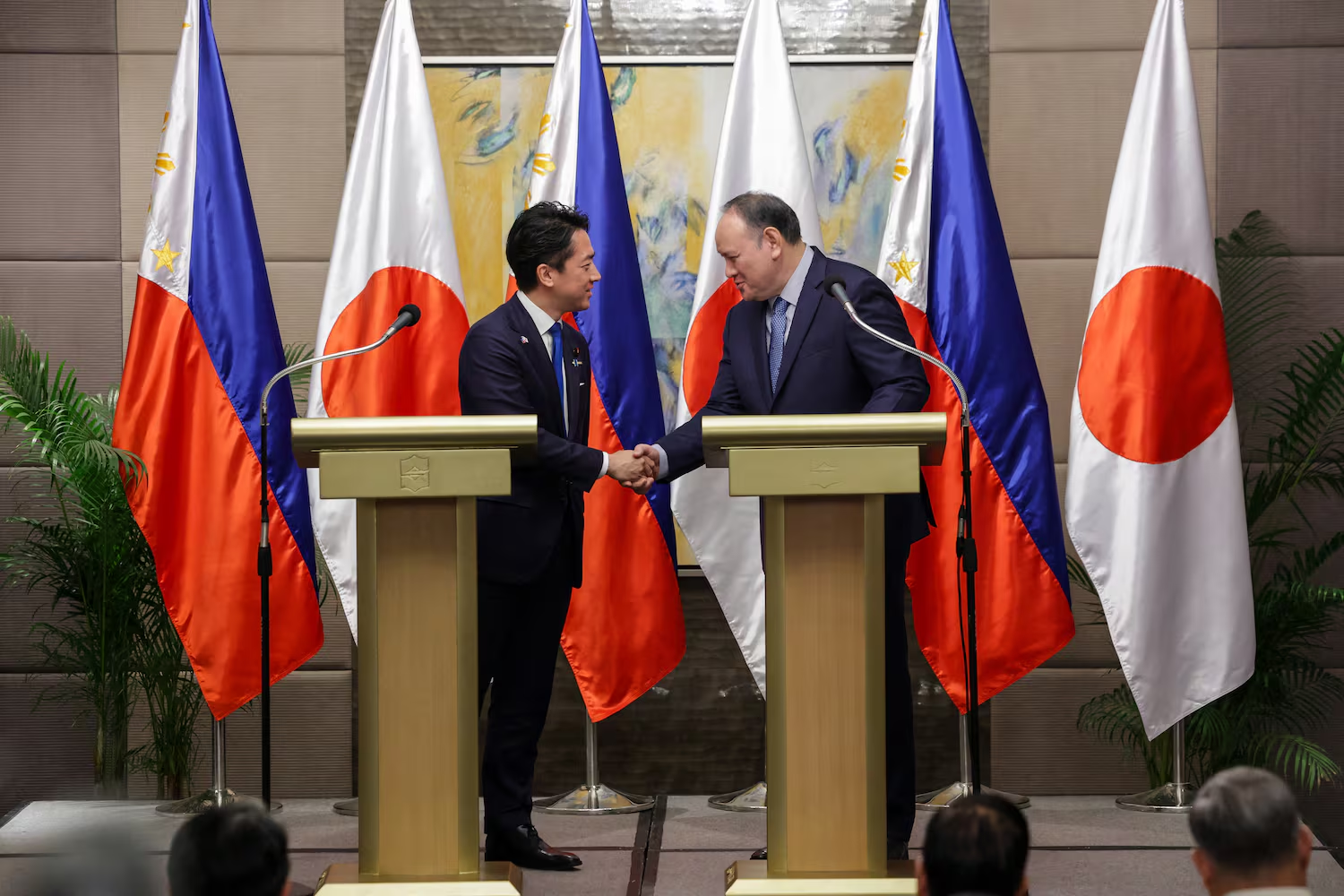
The impact of the sanctions – which forbid Teodoro and his family from entering China and prevent any individuals or organizations from doing business with them – appears limited. Teodoro has indicated he has no intention of traveling to China, raising questions about what Beijing hopes to achieve.
But the analysts say that Beijing’s campaign against Teodoro attempts to use the memory of World War II to cast Japan as an aggressor in the Pacific in the modern day – in order to distract from the illegality of Beijing’s claims over the entirety of the South China Sea.
“A purely South China Sea argument is difficult terrain for China,” Aniello Iannone, a lecturer in Indonesian and Southeast Asian politics at Diponegoro University in Indonesia, told RFA.
Iannone explained that Manila’s claim to its own exclusive economic zone has legal bases under the United Nations Convention on the Law of the Sea, or UNCLOS, a 2016 decision at the Permanent Court of Arbitration that said China’s claim to the whole sea was invalid, and several other legal mechanisms.
“Bringing Japan into the picture changes the terms of the dispute,” he said. “It shifts attention away from Chinese conduct at sea and towards a broader political question: what kind of security order are Manila, Tokyo and Washington building in the region?”
The case against Teodoro
Zhang Junshe of the People’s Liberation Army Naval Military Academic Research Institute offered an unusually detailed case against Teodoro in comments to nationalist-leaning Chinese news and commentary site Guancha.
Zhang accused Teodoro not only of “manipulating” and “internationalizing” the South China Sea dispute, but of hyping the “China threat” while “whitewashing Japan’s new militarism,” referring to recent policy shifts in Tokyo that have led to increases in military spending, more active roles in cooperating with allies to counter regional threats, and significant debates over potential changes to pacifist clauses in Japan’s constitution.
Zhang juxtaposed these shifts against Japan’s occupation of the Philippines during World War II, going as far as describing Teodoro’s position as “recognizing a thief as one’s father.”
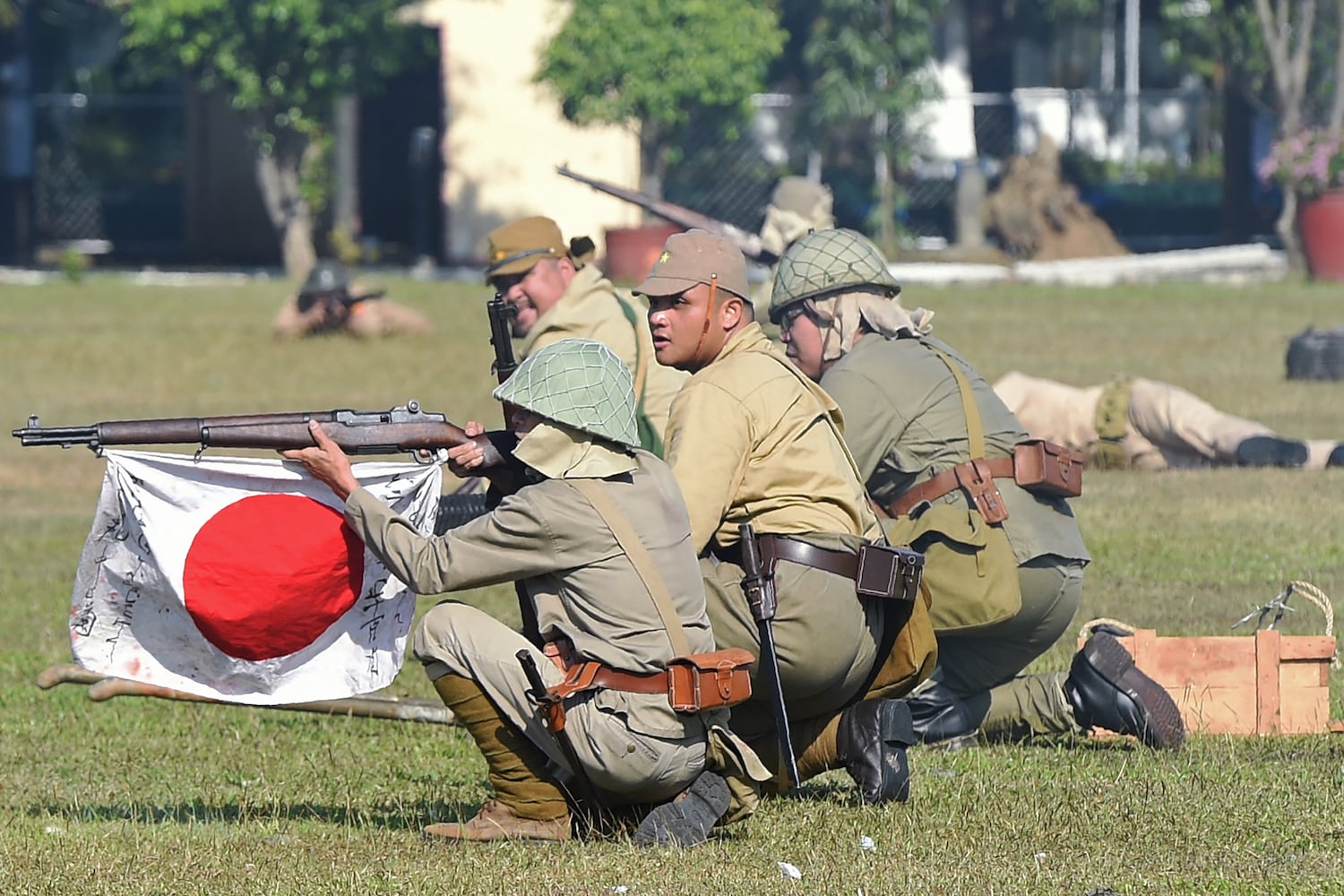
The Philippines endured a brutal Japanese occupation between 1942 and 1945, a history Beijing regularly invokes in its criticism of Tokyo’s expanding security role.
Zhang said Japan was using the Philippines as a “springboard” and “stepping stone” to loosen the constraints of the constitution, expand overseas military deployments and increase its regional military influence.
History as a weapon
Iannone said China’s use of Japan’s history in the Teodoro case should be understood as political rather than simply commemorative.
“Beijing is not just asking Filipinos to remember the Japanese occupation,” he said. “It is using that history to question the legitimacy of Japan’s return as a security actor in Southeast Asia.”
Iannone said that China is alarmed by the Philippines’ willingness to work closely with Japan on security matters.
“The underlying suggestion is that Japan’s military normalization is not historically neutral, and that Manila is helping rehabilitate a former aggressor by deepening security cooperation with Tokyo.”
As part of their closer cooperation, Manila and Tokyo are not only agreeing to cooperate in…
Read the rest of this article here >>> China’s sanctions on Philippine defense chief put Japan ties in spotlight


