

China
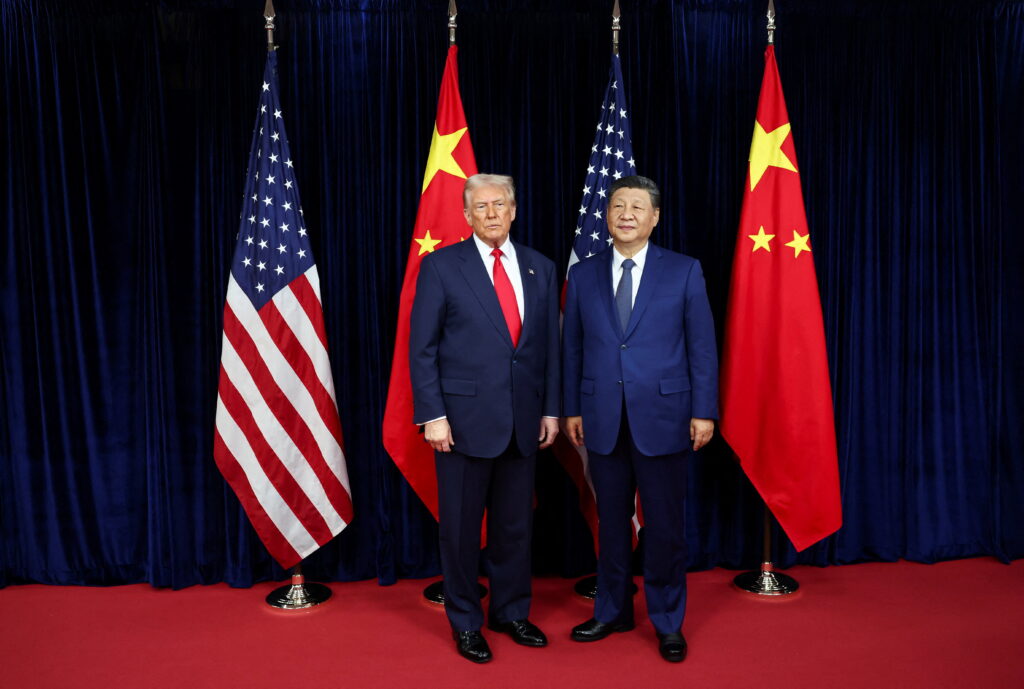
The US-China G2 Challenges the Emergence of a Multipolar World
The potential G2 framework between the US and China may diminish emerging powers, undermine regional stability, and complicate alliances, reflecting a regressive vision that overlooks the multipolar transition in Asia.
Shift in US China Strategy
A tentative shift in US rhetoric regarding a G2 partnership with China marks a critical evolution in President Trump’s strategy. While China’s reception of this concept remains ambiguous, the G2 framework could significantly impact Asia, potentially undermining the autonomy of emerging powers and creating instability among traditional allies. The G2 as a concept is both exclusionary and constraining, failing to acknowledge the multipolar reality where power dynamics are increasingly diffuse.
Mixed Approaches Under Trump
Under Trump, US relations with China have fluctuated between coercive tactics, balancing, and occasional cooperation. This inconsistency is worrisome, showcasing Washington’s use of geoeconomic strategies to manage both allies and adversaries. Additionally, attempts to weaken the Chinese-Russian partnership while simultaneously embracing the G2 vocabulary imply a problematic hierarchy that may reinforce Beijing’s influence.
Implications for Regional Stability
The G2 framework reduces emerging powers like India to subordinate roles, contradicting its long-standing advocacy for a multipolar world and strategic autonomy. A unipolar Asia centered around China poses significant challenges for neighboring countries embroiled in territorial disputes. While proponents advocate that the G2 could stabilize governance, it risks fostering regional disorder, particularly in sensitive areas like Taiwan and the South China Sea.
Source : US–China G2 undermines multipolarity


