

China
Philippines Leverages Classrooms to Reinforce South China Sea Claims
A bill in the Philippines aims to integrate South China Sea territorial claims into educational curricula, strengthening national identity and public support. It promotes awareness through lessons grounded in international law, countering misinformation, while using education as a non-confrontational strategy against China.
A bill that would integrate the Philippines’ South China Sea territorial claims into school curricula could further integrate the issue into national identity and strengthen public support, experts told Radio Free Asia.
Philippine lawmakers this month filed a measure seeking to institutionalize education about what Manila calls the West Philippine Sea – the parts of the South China Sea that fall within its exclusive economic zone.
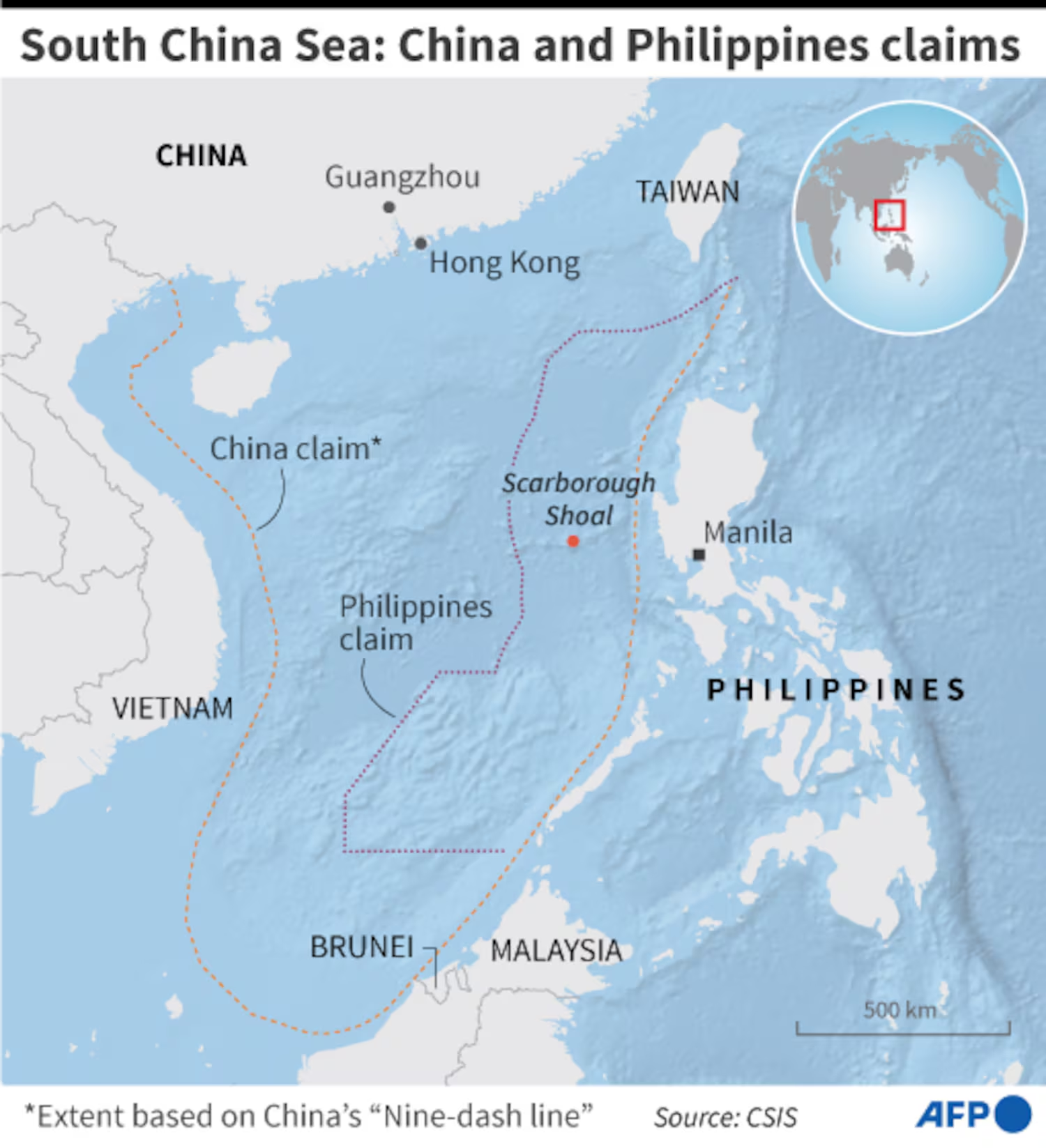
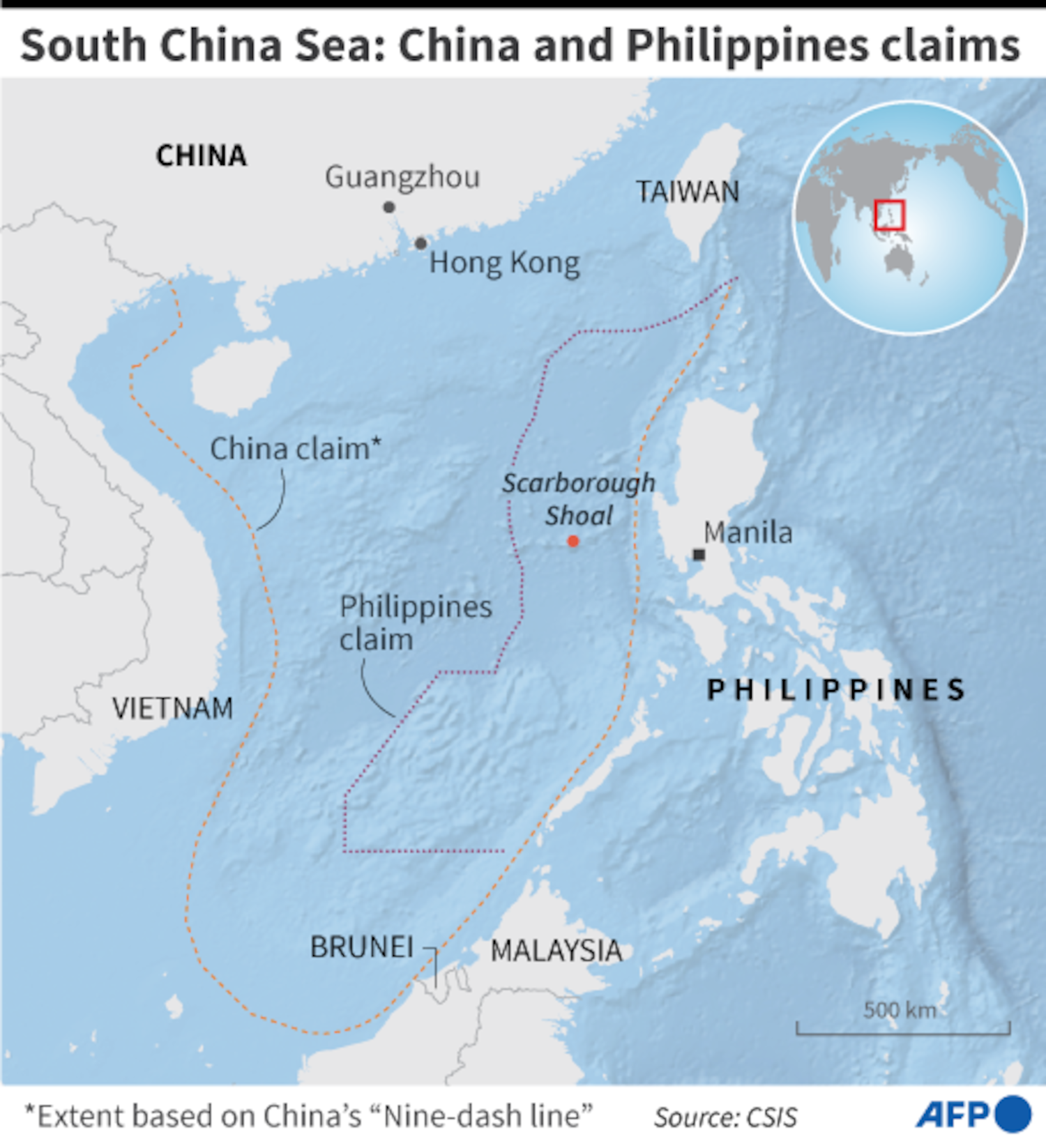
The sea is a major flashpoint in regional geopolitics. China uses a nine-dash line drawn on the map to delineate the entirety of the sea as its own territory, but parts of it are also claimed by the Philippines, Vietnam, Brunei and Malaysia.
The proposed West Philippine Sea Education Act would establish an education and awareness program covering basic and higher education. Lessons would use examples from international law to support Manila’s claims, including a section on the 2016 ruling by the Permanent Court of Arbitration in the Hague, which said that China’s nine-dash line had no legal basis.
Popular support is critical for Manila to pursue its claims, Jason Ng Sze Chieh, a lecturer at INTI International College Subang in Malaysia, told RFA.
The claims “must be grounded in tangible, convincing, and easily digestible arguments formed around reasonings … that excite the public imagination,” he said. “Once it catches the public’s imagination, it is very difficult to redirect or scrub it from the collective mind.”
The proposal comes as Philippine authorities increasingly describe their confrontation with Beijing not only as a contest over ships and maritime access, but also over information and public perceptions. Lawmakers behind the House measure said students should be equipped against misinformation and propaganda about the country’s maritime rights.
From public awareness to strategy
If signed into law, the bill would formalize a campaign that has already been moving into Philippine schools and other youth-oriented spaces.
The Department of Education’s regional offices have begun integrating West Philippine Sea topics into social studies curricula, while government agencies have held engagements with teachers and students. Earlier this year, Manila also expanded efforts to produce child-focused material about the disputed waters.
In January 2025, Philippine agencies launched a 40-page comic book explaining maritime zones and international law. National Security Adviser Eduardo Año said it complemented government efforts to counter what Manila called distorted Chinese narratives, while the Chinese Embassy accused the Philippines of “political manipulation.”

Ng said using education as soft power could reinforce the Philippines’ claim without resorting to confrontation with China.
“It is the right move for the Philippines, which wishes to resolve this issue without resorting to violence,” he said. “Soft power, through education, can reinforce its claim and strengthen the government’s resolve to push back against China’s claim.”
The approach also reflects how governments across the region have used historical narratives to sustain their respective South China Sea positions.
In Vietnam, authorities have directed schools to include material asserting Vietnamese sovereignty over Hoàng Sa, the Paracel Islands, and Trường Sa, the Spratly Islands, island groups that are also claimed entirely by China and Taiwan and partly by the other South China Sea claimants.
Chinese educational material has also presented disputed features through Beijing’s sovereignty narrative. A 2017 New Yorker report examined a primary-school Mandarin lesson about the Xisha Islands, China’s name for the Paracels, that described the islands as part of China without discussing Vietnam’s competing claim.
Taiwan offers a different lesson
Taiwan on paper continues to claim all territory previously claimed during the era when the Republic of China controlled the mainland, but Taipei’s post-1990s shift toward a more Taiwan-centered…
Read the rest of this article here >>> Philippines bets on classrooms to strengthen South China Sea claims


