

China
Taiwan Explores Economic Leverage After Papua New Guinea Closes Office
Taiwan has suspended natural gas spot purchases from Papua New Guinea following Port Moresby’s closure of Taipei’s trade office, signaling potential diplomatic consequences for countries undermining ties with Taiwan. This marks a strategic shift in Taiwan’s informal diplomacy amidst Chinese pressure.
Taiwan has halted spot purchases of natural gas from Papua New Guinea as a response to Port Moresby ordering the closure of Taipei’s trade office in the South Pacific country.
The decision followed Taipei’s review on imports originating from PNG of liquefied natural gas, or LNG, and the move amounts to a warning that countries with ties to Taiwan could face consequences rather than full-scale economic coercion, experts told Radio Free Asia.
“It functions as immediate diplomatic signaling, but also sits within an emerging, if still constrained, strategic adjustment,”Jozef Huljak, a PhD candidate in political science at Constantine the Philosopher University in Slovakia whose research examines Taiwan’s cultural and public diplomacy, told RFA when the decision was in its review stage.
Huljak explained the immediate message was that Papua New Guinea’s decision would not be “cost-free,” while also signaling to other governments that downgrading unofficial ties with Taiwan could carry consequences.
“The LNG review is primarily a signal, but one embedded in a gradual shift toward more calibrated responses as Taiwan’s informal diplomacy comes under sustained pressure,” he said.
Downgrading ties
Papua New Guinea on July 16 announced that it would close Taiwan’s representative office in Port Moresby, saying that the move was meant to align with its “One-China policy” and to deepen trust and economic ties with Beijing.
Port Moresby has never recognized Taiwan since gaining independence in 1975 and establishing relations with China the following year. The Taiwan trade office, which opened in 1990, served as Taipei’s de facto diplomatic mission while facilitating trade and investment.
Taipei blamed the decision on Chinese political and economic pressure, while the United States expressed concern. Beijing, meanwhile, praised the move.
Two days after the announcement, Taiwan’s Foreign Minister Lin Chia-lung said the country was reviewing its broader economic exchanges with Papua New Guinea, including LNG imports of about 1.2 million metric tons a year – roughly one-third of Papua New Guinea’s LNG exports – while stressing that Taipei’s agricultural and fisheries cooperation had also supported local development.
On Tuesday, Lin said that the country would stop spot purchases of LNG from PNG, AFP reported. Spot purchases are one-off arrangements to cover immediate needs rather than long term agreements for periodic deliveries.
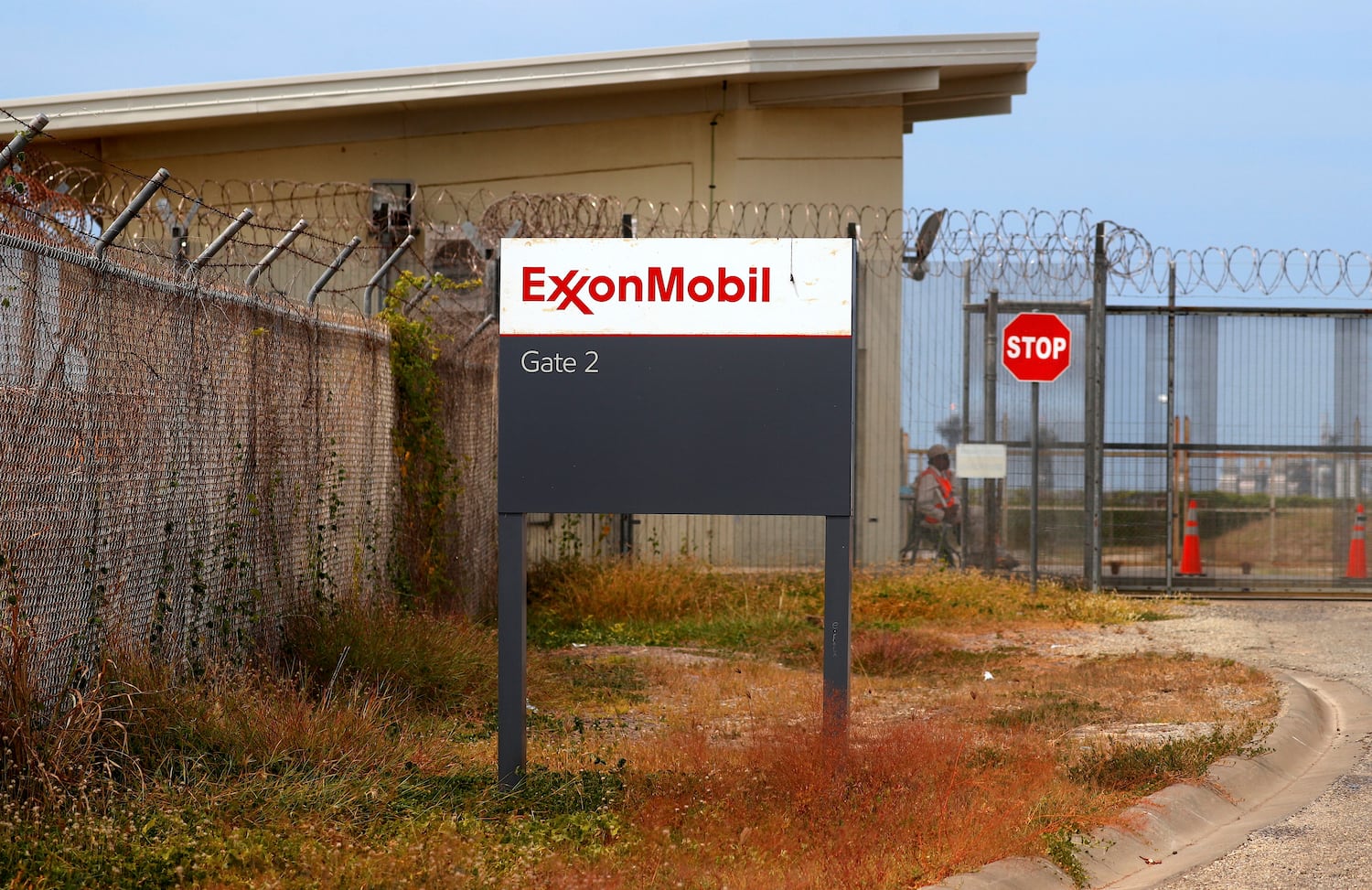
Liquefied natural gas, or LNG, is Papua New Guinea’s largest export commodity, accounting for roughly half of its overall exports.
While Taiwan is the destination for about a third of PNG’s LNG exports, that only accounts for about 8% of Taiwan’s imports of LNG.
Stopping the spot purchases is somewhat of a departure from Taipei’s previous course.
Taiwan has traditionally sought to distinguish itself from China by presenting itself as a reliable partner that does not use trade or investment as political leverage.
Beijing, meanwhile, has repeatedly been accused by Western governments and observers of employing economic coercion against countries that challenge its interests.
The stoppage of LNG spot purchases, however, is not the first such move by Taiwan – it also recently removed Cambodia from visa facilitation programs after Phnom Penh publicly backed Beijing’s position on Taiwan.
Together, these moves suggest Taipei is becoming more willing to attach consequences to governments that reduce cooperation with Taiwan, even if the measures stop short of outright retaliation, Huljak said.
Tit for tat?
Still, analysts cautioned that Taiwan’s options remain constrained.
“I think … comments made by Foreign Minister Lin still should be primarily viewed as first and foremost diplomatic signaling,” William Yang, a Northeast Asia analyst at the Belgium-based International Crisis Group, told RFA, also while the decision was still in the review stage.
“It’s a warning or it’s a reminder, rather than Taiwan already embracing the idea about weaponizing its existing trade link and relationship with other countries to counter their willingness to … give in to Chinese pressure,” he said.
Yang said Taiwan was also…
Read the rest of this article here >>> Taiwan tests economic leverage after Papua New Guinea closes representative office


