

China
Taiwan’s Need for U.S. Weapons: Reasons Behind the Supply
Taiwan seeks quick delivery of a US$14 billion U.S. weapons sale paused due to stockpile protection amid Iran conflict. U.S. arms sales, vital for Taiwan’s defense since 1979, are based on the Taiwan Relations Act, ensuring unofficial support despite diplomatic ties with Beijing.
With Taiwan hoping for swift delivery of a US$14 billion weapons sale approved by the U.S. Congress in January, a U.S. official said last week in a Senate hearing that foreign military sales are on pause to protect munitions stockpiles as conflict in Iran continues.
U.S. weapons sales have been an integral part of Taiwan’s security since Washington ended diplomatic recognition of Taipei in favor of Beijing in 1979.
Despite the loss of recognition, through arms sales and other agreements, Washington is still a de-facto military protector of the democratic island, an arrangement that remains one of the most unusual in international relations.
How did the U.S. become Taiwan’s main arms supplier?
The relationship dates back to the Chinese Civil War.
After communist forces established the People’s Republic of China in 1949, the government of the Republic of China retreated to Taiwan. For many years afterwards, Washington recognized Taipei rather than Beijing as China’s legitimate government.
During the Cold War, Taiwan became an important U.S. partner in Asia.
The two sides signed a mutual defence treaty in the 1950s, and the United States maintained military support and stationed forces on the island.
The relationship changed dramatically in the 1970s as Washington sought closer ties with Beijing. In 1979, the United States recognized the People’s Republic of China as the sole legal government of China and ended official diplomatic relations with Taiwan.
But it did not cut ties completely.
Instead, the U.S. Congress passed the Taiwan Relations Act, creating a framework that allowed Washington to maintain unofficial relations and continue providing defensive support to Taiwan.
The law remains the main legal basis for U.S.-Taiwan security relations today. It says the United States will provide Taiwan with weapons of a defensive character and maintain the capacity to resist force or coercion against the island, but also does not explicitly guarantee that American troops would defend Taiwan during a conflict.
What is the current framework?
China’s official policy on Taiwan is called the One China Principle, which says that the People’s Republic of China is the sole legal government of China, and that Taiwan is an inalienable part of Chinese territory.
Beijing has said that the island must eventually be reunified with the mainland, by force if necessary. Taiwan rejects Beijing’s claims and operates as a self-governed democracy with its own government, military and economy.
Current U.S. policy toward Taiwan is often described as resting on three pillars.
The first is the Taiwan Relations Act, which governs unofficial relations and arms sales.
The second is the Three U.S.-China Joint Communiqués, a series of agreements through which Washington recognized Beijing diplomatically and acknowledged the Chinese position that there is one China.
The third is the Six Assurances, introduced during the Reagan administration in the 1980s. Among them was a pledge that Washington would not consult Beijing before approving arms sales to Taiwan.
Together these policies created what many people refer to as the “status quo.”
In practical terms, Taiwan governs itself and maintains its own political system, military and economy. The United States maintains unofficial ties with Taiwan while recognising Beijing diplomatically and following its own One China Policy, which “acknowledges” but falls short of accepting Beijing’s stance on Taiwan.
What major weapons has Taiwan bought?
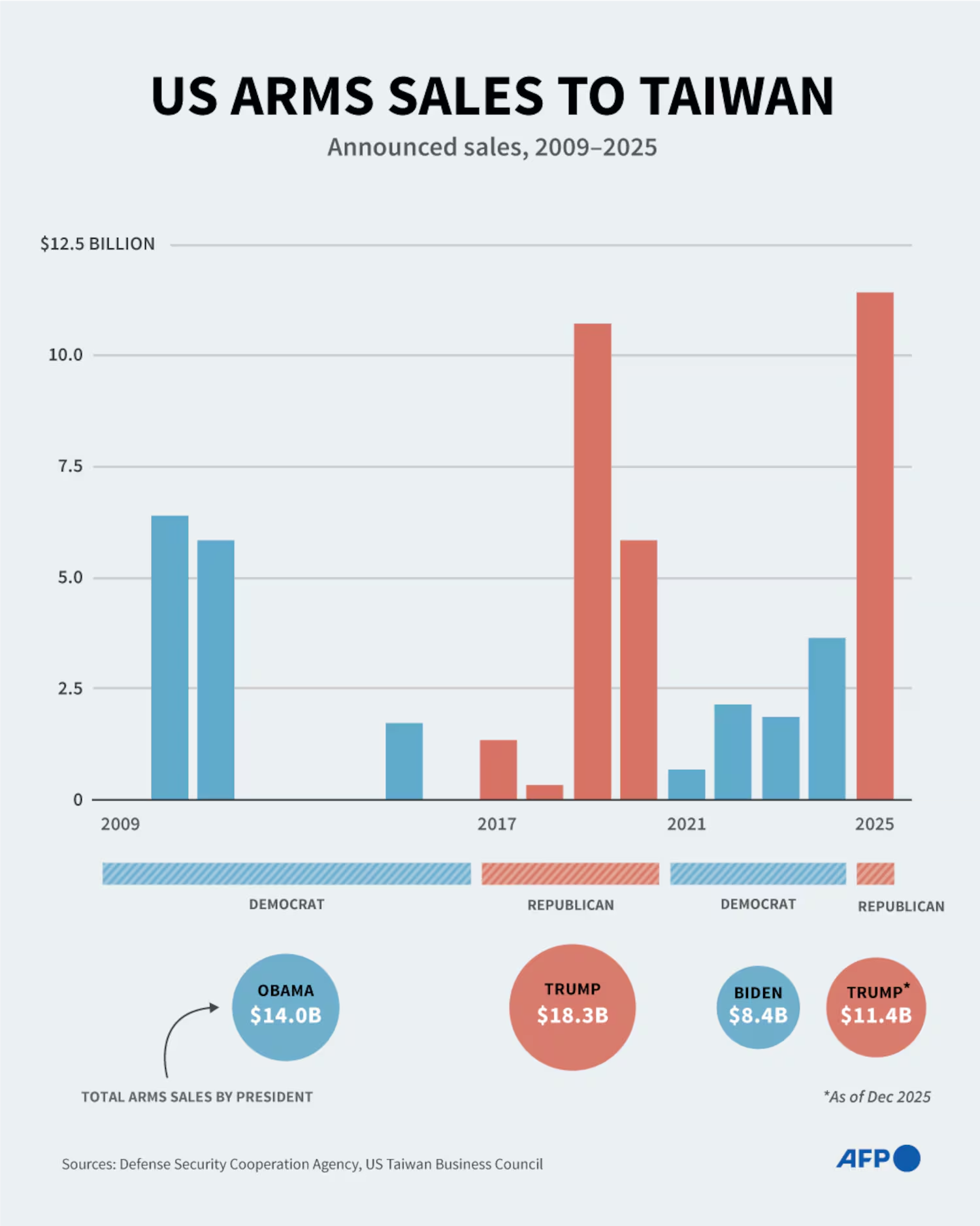
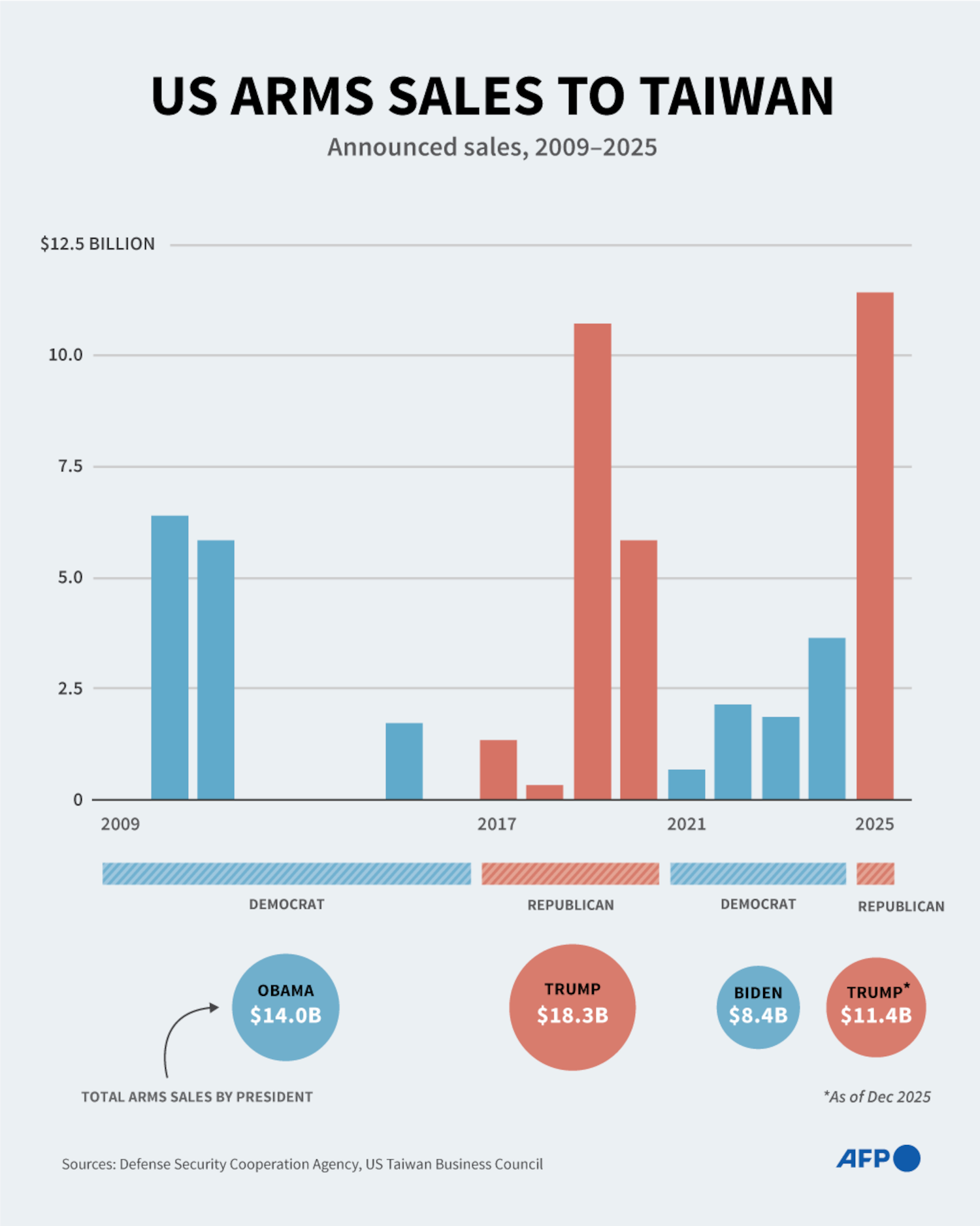
U.S. arms sales to Taiwan have continued under both Democratic and Republican administrations.
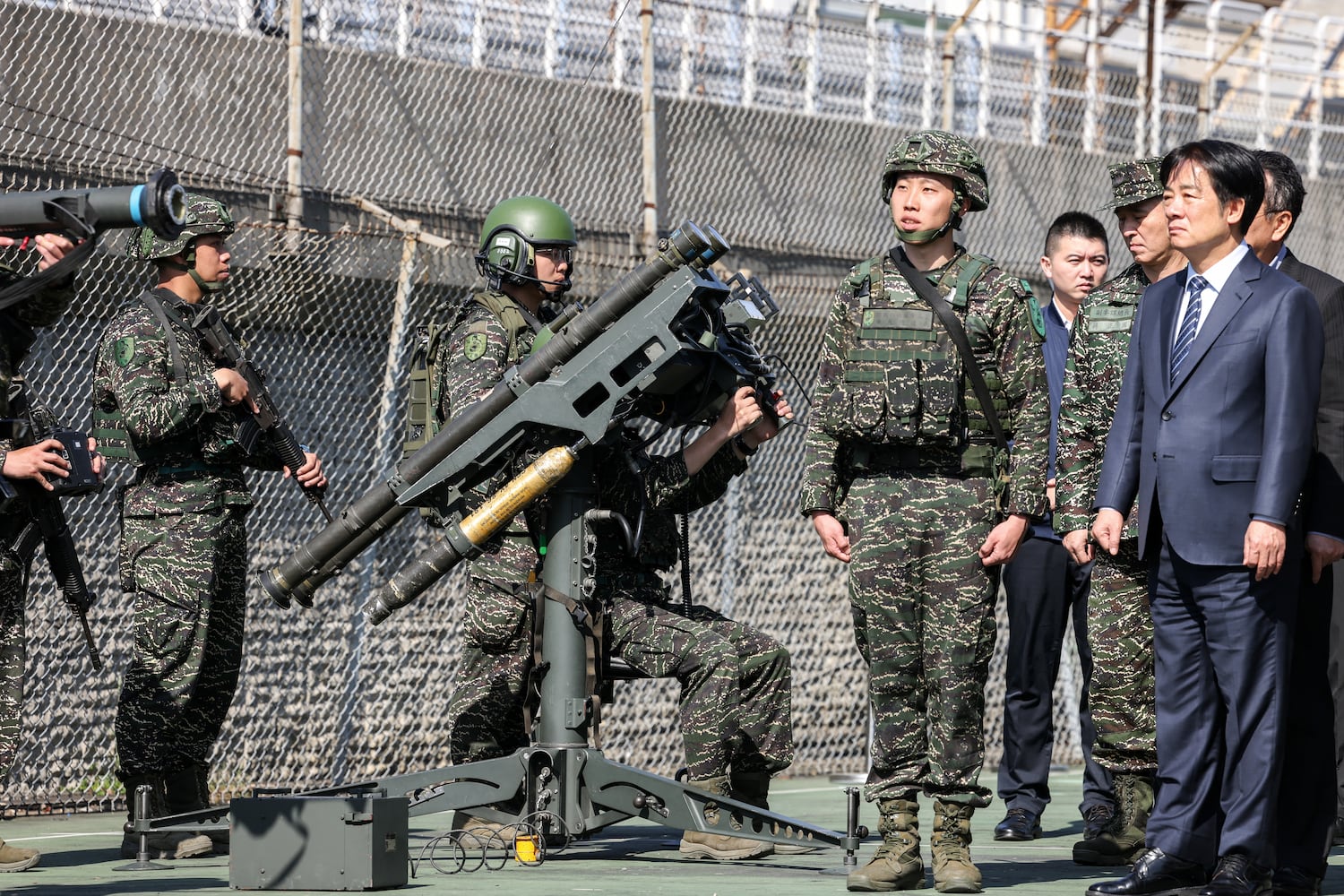
Major deals over the years have included fighter aircraft, missile defence systems, anti-ship missiles, tanks, surveillance equipment and naval systems.
One of the most significant sales came in 1992, when the George H.W.
Bush administration approved the sale of 150 F-16 fighter jets to Taiwan.
In 2010, the Obama administration approved a package worth about US$6.4 billion that included Patriot missile defence systems, Black Hawk helicopters and other equipment.
In 2019, the Trump administration approved a proposed…
Read the rest of this article here >>> EXPLAINED: Why Taiwan wants U.S. weapons and why Washington supplies them


