

China
China-US Rare Earths Competition Fuels Pacific Seabed Mining Plan Near Guam
A U.S. plan to mine a vast Pacific seabed area near Guam highlights growing U.S.-China competition. Concerns include environmental impacts and local voices being marginalized in decision-making, as legislators push for a moratorium amid fears of Chinese influence in the region.
UPDATED on April 2, 2026 at 6:28 p.m. ET
TAMUNING, Guam – A U.S. plan to potentially mine an area of Pacific seabed roughly the size of Nevada near two U.S. territories is the latest example of increasing competition in the region between the United States and China, a local government official told Radio Free Asia.
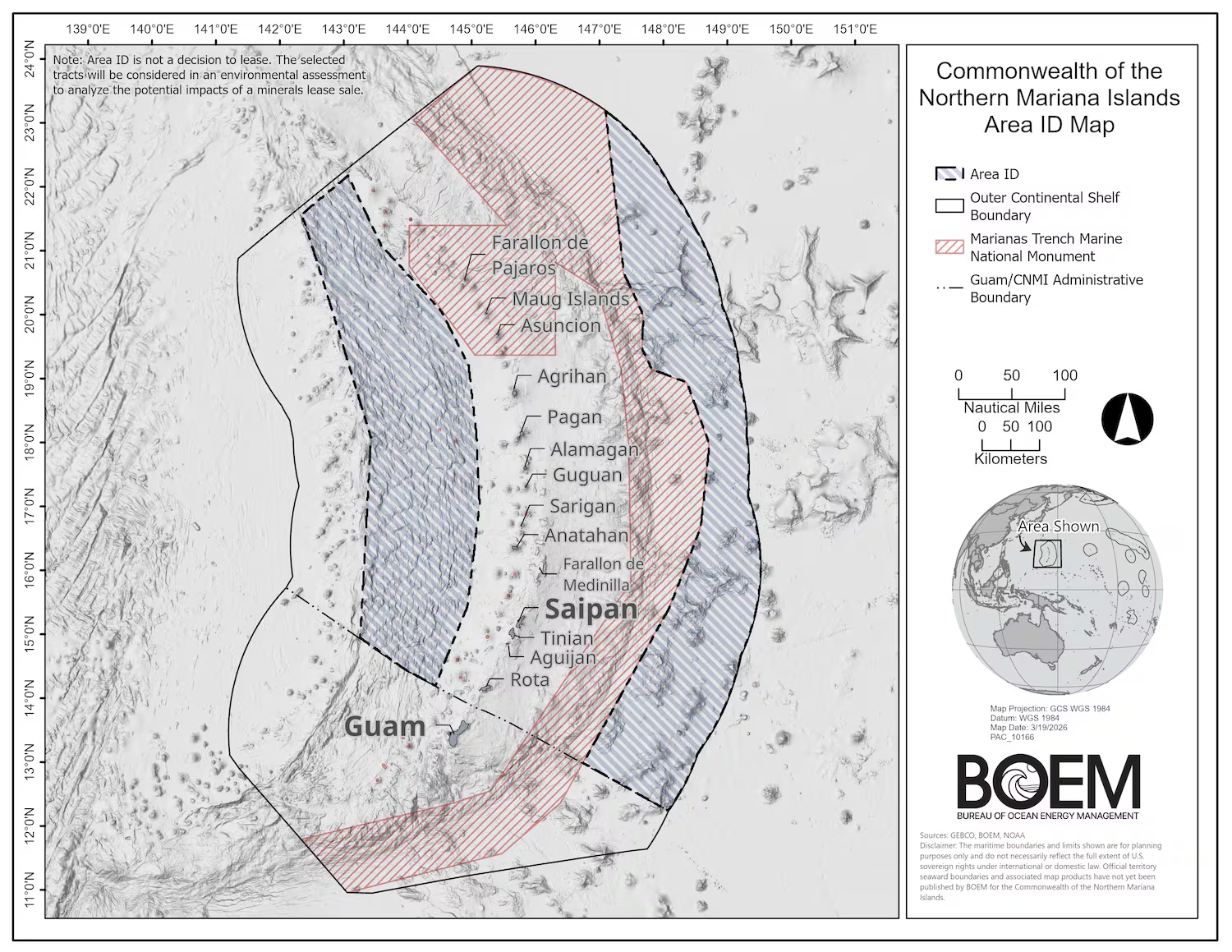
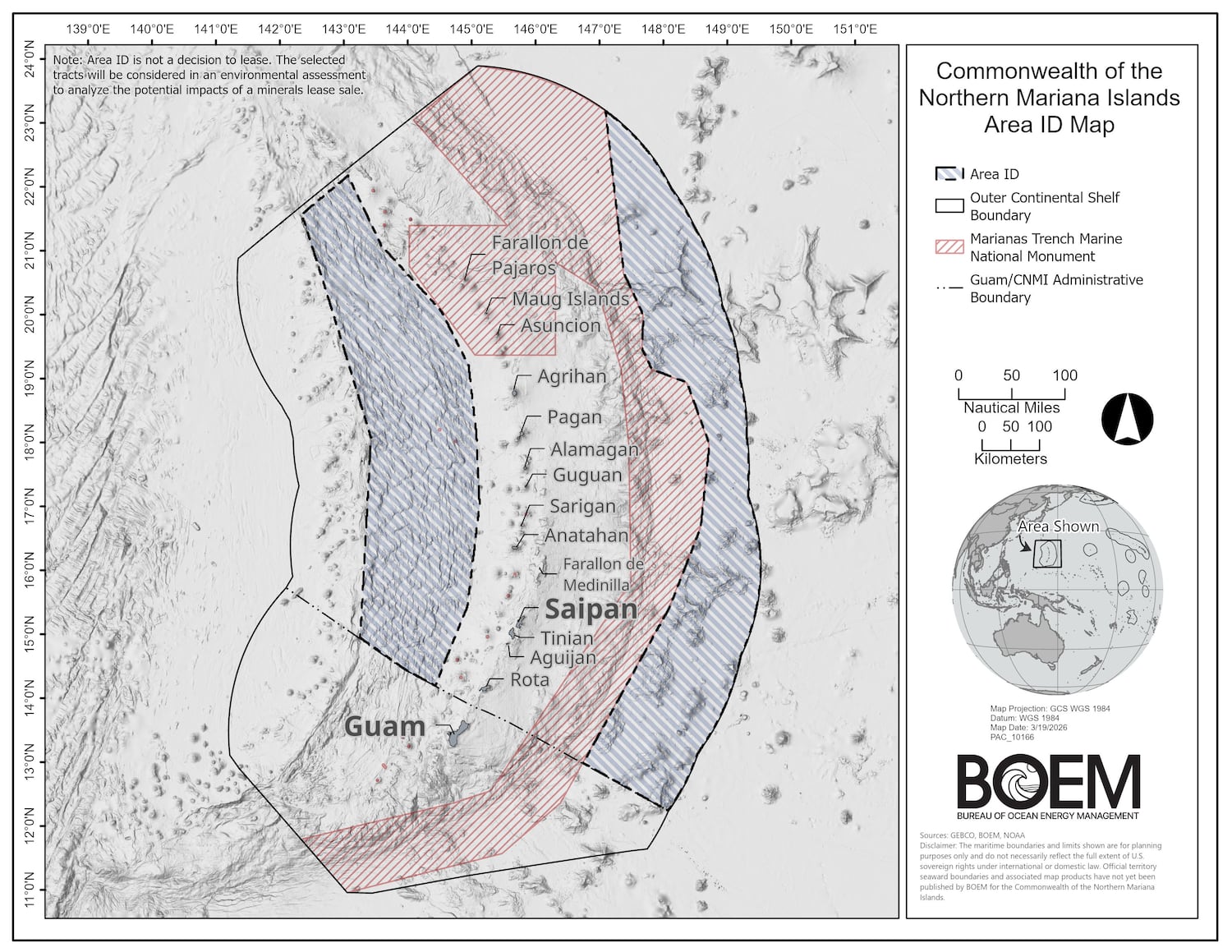
The zones of seabed marked off for potential development total 69 million acres (280,000 square kilometers) in two distinct geographical areas east and west of the Northern Mariana Islands and Guam.
“In both areas, the primary minerals for commercial development include potential commercially viable quantities of cobalt, nickel, copper, manganese, zinc, rare earth elements, along with other minerals that may prove economically viable to extract and process in the future,” Douglas Boren, the Pacific regional director for the U.S. The Department of Interior’s Bureau of Ocean Energy Management, or BOEM, stated in a March 13 memo detailing the plan.
In the same memo, Boren said that the Trump administration recognizes an “overreliance” on foreign-sourced minerals and the products that use them, potentially jeopardizing “U.S. defense capabilities, infrastructure development and technological innovation.”
Boren cited executive orders that direct the Department of Interior to expedite mineral development in the region, including one signed by the president on April 24, 2025, which emphasized “strengthening partnerships with allies and industry to counter China’s growing influence over seabed mineral resources.”
The memo specified that the areas identified would be subject to “environmental analyses conducted for the proposed lease offering.” meaning that parts of the two tracts might be omitted from the area to be leased. It also acknowledged concerns from those opposed to the undersea mining proposal, including potential harms to fisheries, tourism and the environment.
Geopolitics at play
Sen. William Parkinson of the Guam legislature noted that the race to explore the ocean floor is driven by a broader strategic contest unfolding across the Indo-Pacific.
“Guam is very much on the front line of it,” Parkinson told RFA. “There are environmental concerns about deep-sea mining, and those are real.”
Parkinson said the concern over China’s increasing influence in the Pacific goes beyond mining.
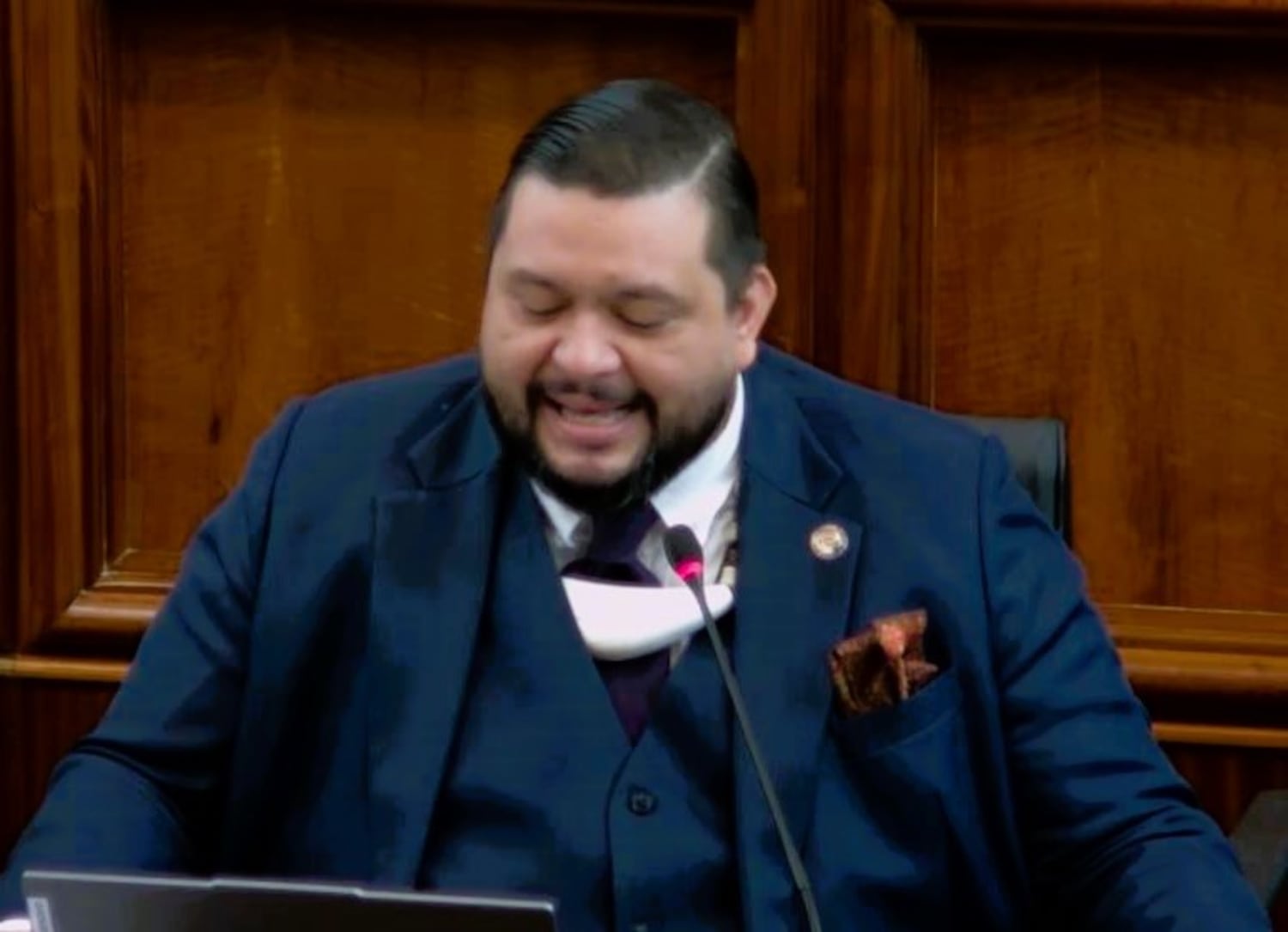
“When vessels tied to the Chinese state are repeatedly surveying waters near Guam and other strategic corridors, we have to ask not only what minerals they are interested in, but what military advantage they may be seeking,” he said, adding that competition between Washington and Beijing carries echoes of World War II, when Guam was part of the Pacific Theater campaign.
Reuters and other news outlets reported this week that in addition to surveying for minerals, China is mapping the seabed, and the data has military applications, according to naval experts.
Beyond being one variable in the larger arena of strategic competition with China, undersea mining is also big bucks. The emerging industry has a potential valuation as high as US$20 trillion according to the Belgium-based management consulting firm Arthur D. Little.
Local opposition
But people living in Guam and the Northern Marianas feel like their concerns are not being heard, Guam’s Governor Lou Leon Guerrero said in response to the March 13 memo.
“We are disappointed that, in all our attempts to engage with BOEM throughout this process, they have not considered and have ignored the very people who are most affected by their actions,” she said. “We will show up on every front to make sure that our concerns are heard and that our oceans are protected.”
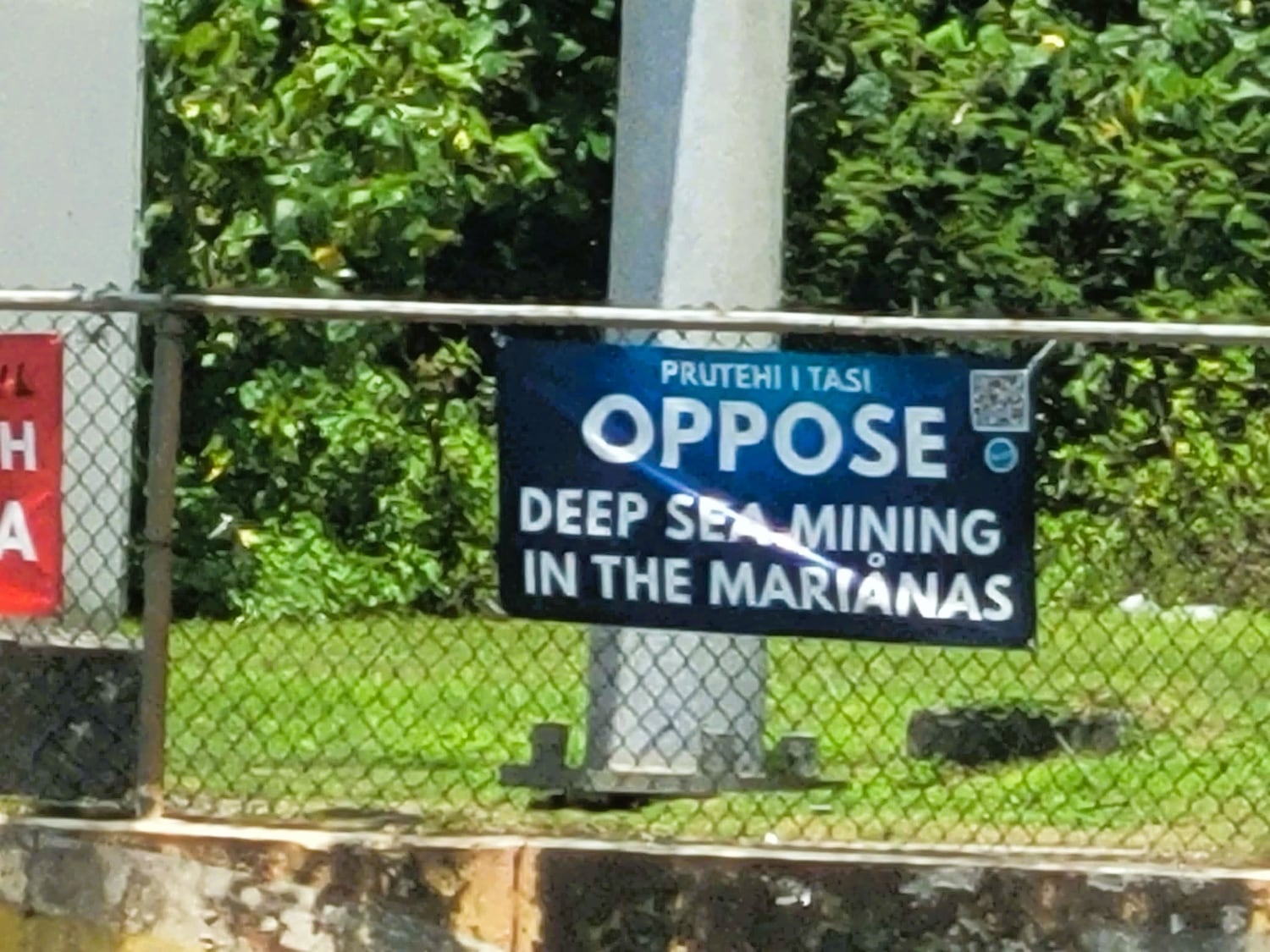
Last year, the Guam and Northern Marianas legislatures separately adopted resolutions calling for a moratorium on deep-sea mining in the waters around the islands. Federal decisions, however, supersede local legislative actions.
To speed up the leasing of marked areas, the BOEM streamlined the permitting process and removed territorial governments from the decision-making process.
Guerrero said the plan was “driven by industry interest” at the expense…
Read the rest of this article here >>> China-US competition for rare earths sparks plan to mine Pacific seabed near Guam


